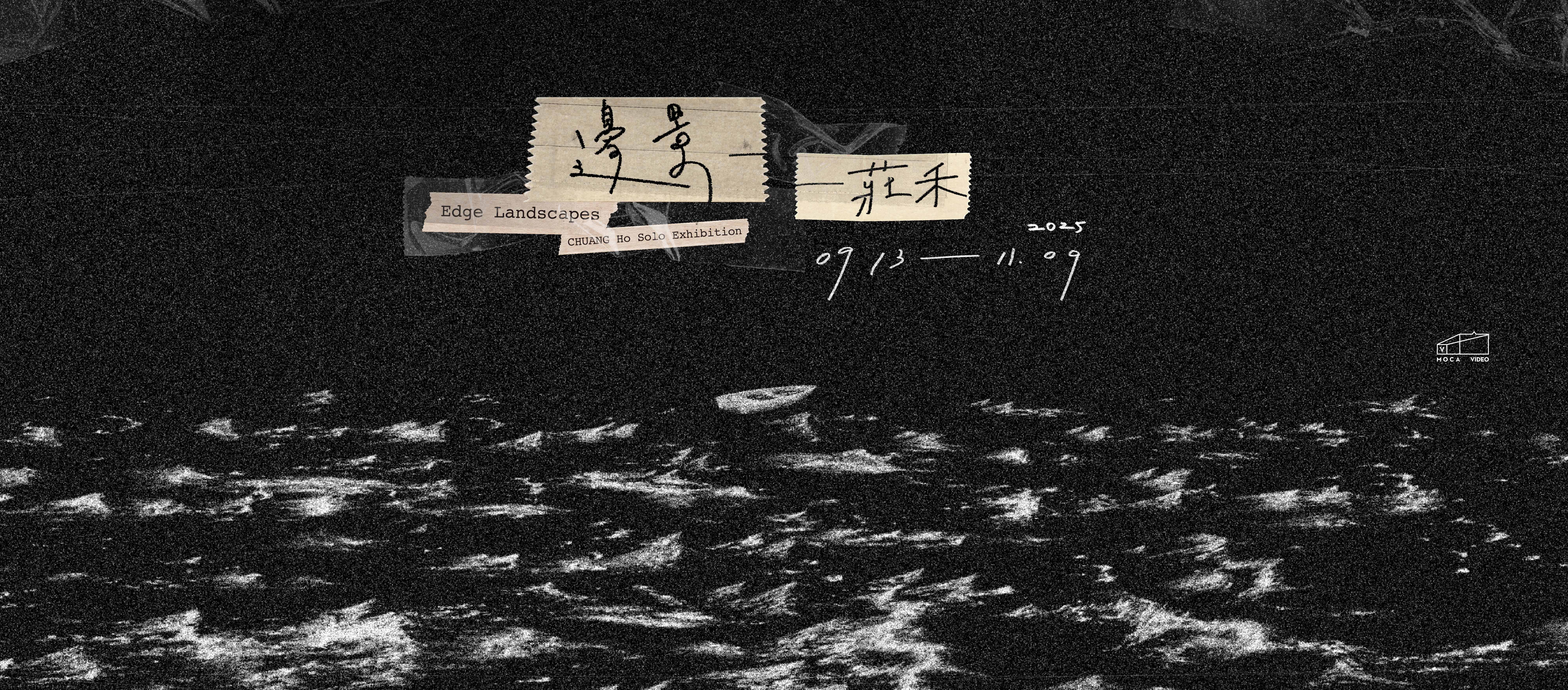
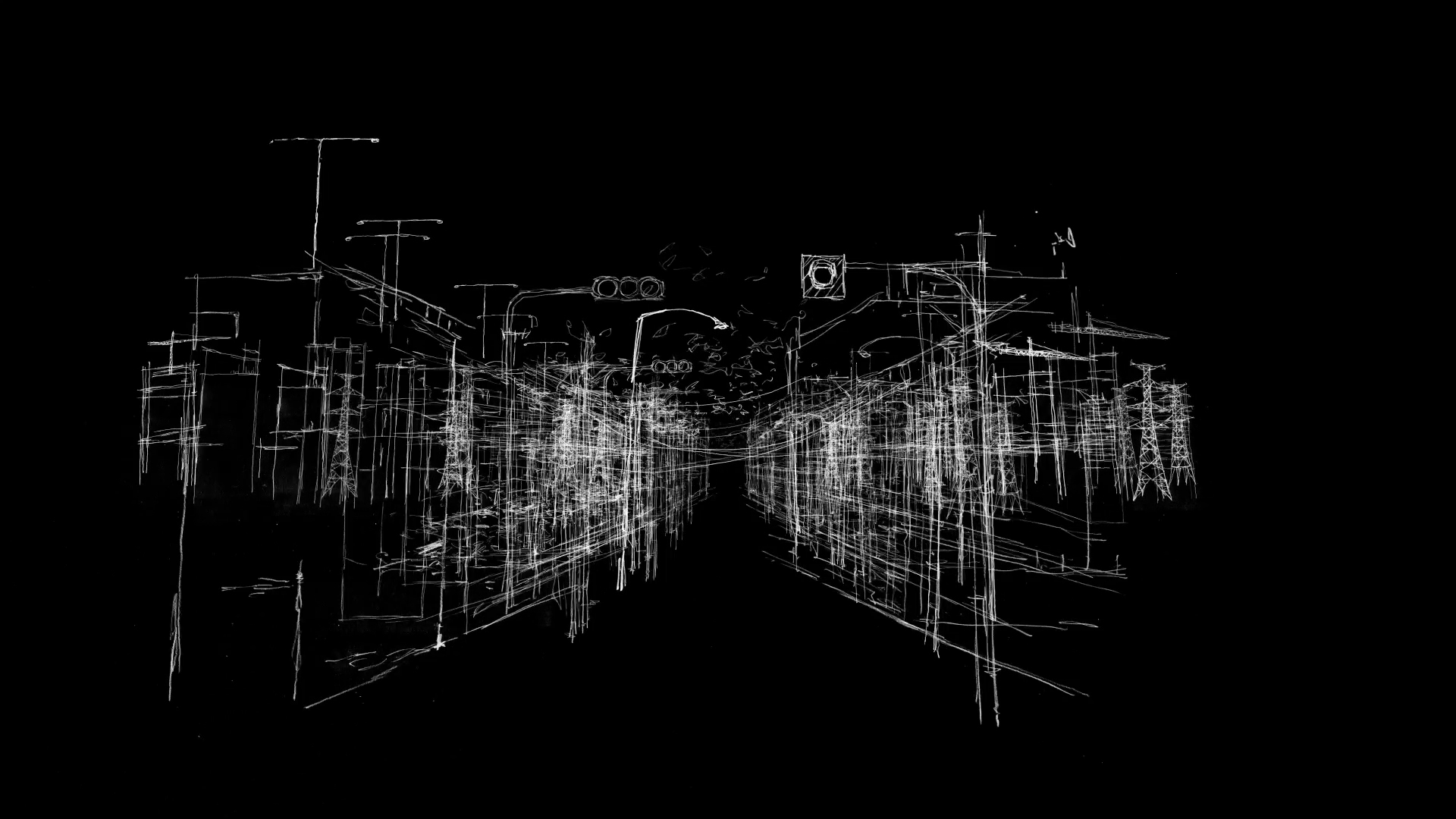
Hand-drawn animation is fabricated, interpreted, and selected, and frames of a video are a way of understanding time through images; they appear continuous, but are essentially not. This is how the artist sees the illusory behind frame-by-frame animation. The artwork on view, Seen as the Sea, is inspired by the artist’s experience of gazing at an immense seascape in the darkness of night, where nothing was visible except for some occasionally appearing and disappearing white lines. A realization was reached at that moment, sensing that this was not the true nature of the sea, as those white lines were reflections of moonlight, which became a way to understand the sea in that particular moment. CHUANG Ho thinks animation follows the same principle: he can select to depict the parts that are visible, which would become something that’s understandable to the audience, and the invisible can open up a space where imagination can expand.
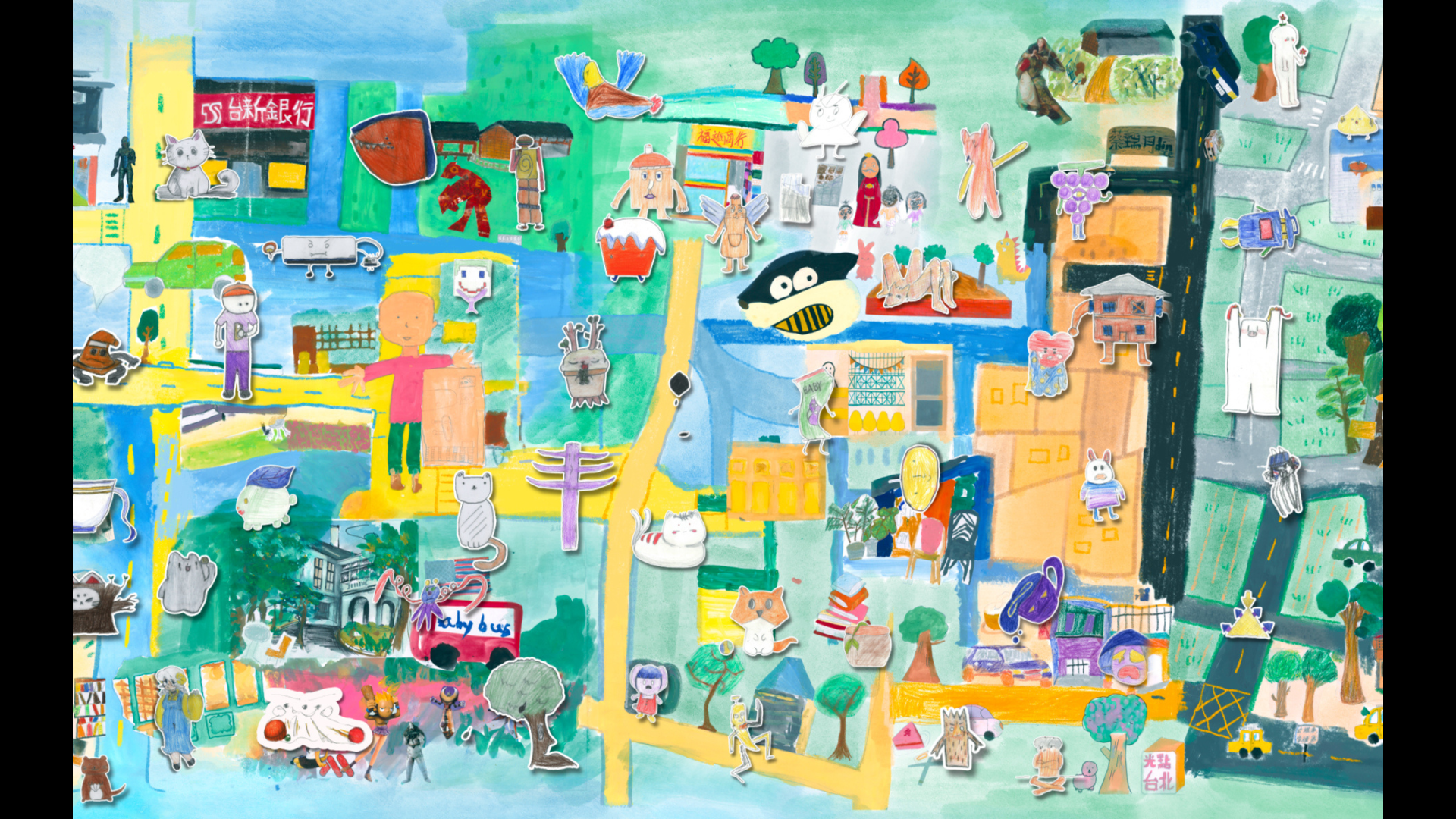
Based on the artist’s memories, dynamic visuals are created in this work, with a fictional landscape imagined and fabricated. In contrast to the landscapes extracted from the real world, Edge Landscapes presents an internal landscape that doesn’t tangibly exist. During the MoCA Video exhibition, it will appear unexpectedly before the eyes of passersby on the street, hoping to bring a moment of peace to its viewers.