Museum of Contemporary Art, Taipei
Friday Friday
10AM - 6PM
Friday Friday
10AM - 6PM
EXHIBITIONS & EVENTS
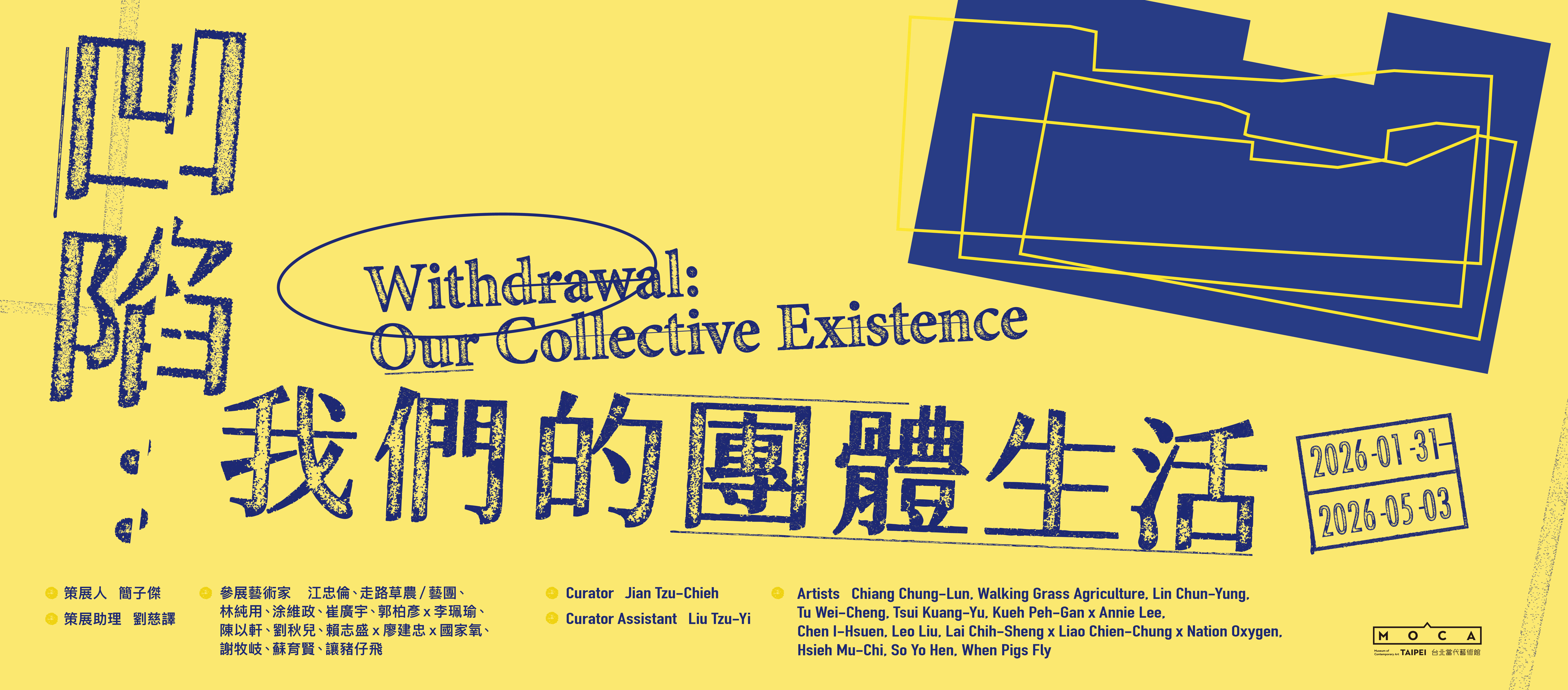
2026 / 01 / 31 Sat.
2026 / 05 / 03 Sun.
10:00 - 18:00
Curator
Jian Tzu-Chieh
Curator Assistant
Liu Tzu-Yi
Artists
Chiang Chung-Lun
Walking Grass Agriculture
Lin Chun-Yung
Tu Wei-Cheng
Tsui Kuang-Yu
Kueh Peh-Gan x Annie Lee
Chen I-Hsuen
Leo Liu
Lai Chih-Sheng x Liao Chien-Chung x Nation Oxygen
Hsieh Mu-Chi
So Yo Hen
When Pigs Fly
Supervisor
Department of Cultural Affairs, Taipei City Government
Organizers
Taipei Culture Foundation
MoCA TAIPEI
Annual Sponsors
THERMOS
Contemporary Art Foundation
Hui-Neng Chi Arts and Culture Foundation
Annual Sponsor for Appointed TV/Screen
SONY
Annual Sponsor for Appointed Projector
EPSON
Accommodation sponsorship
Royal Inn
Media Cooperation
Radio Taiwan International
Special Thanks
Taipei Municipal Jian Cheng Junior High School
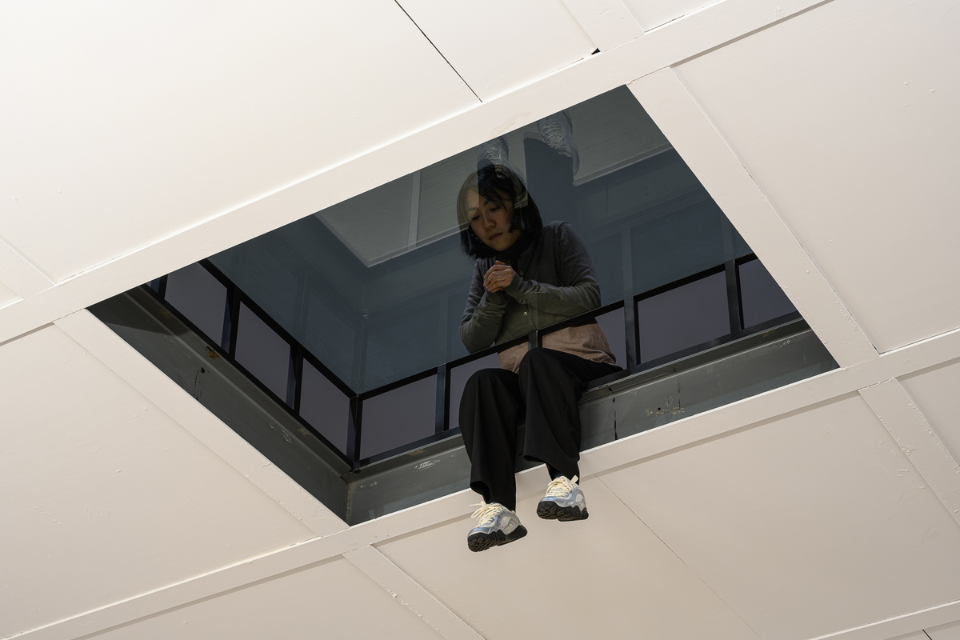
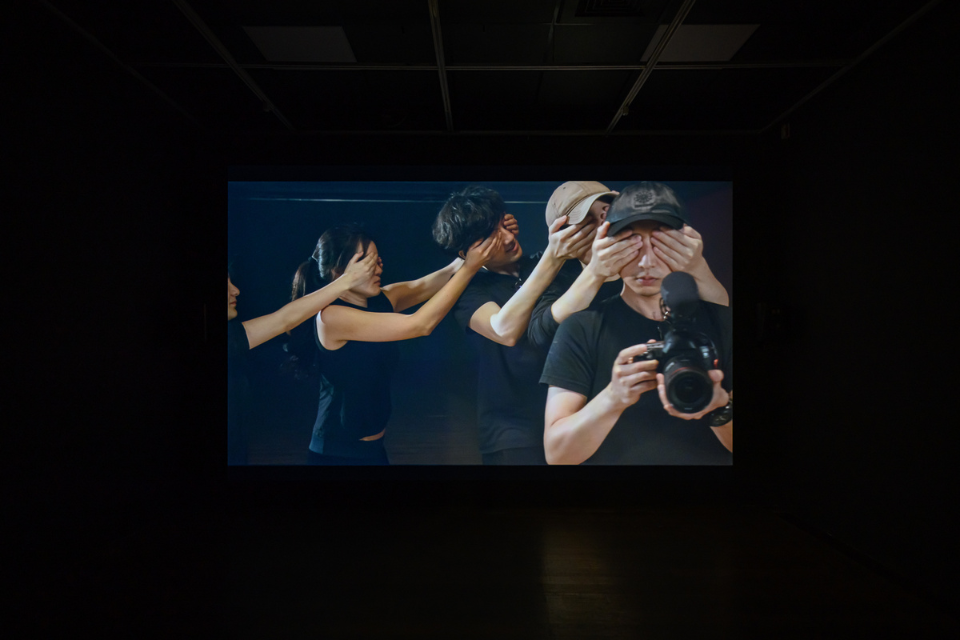
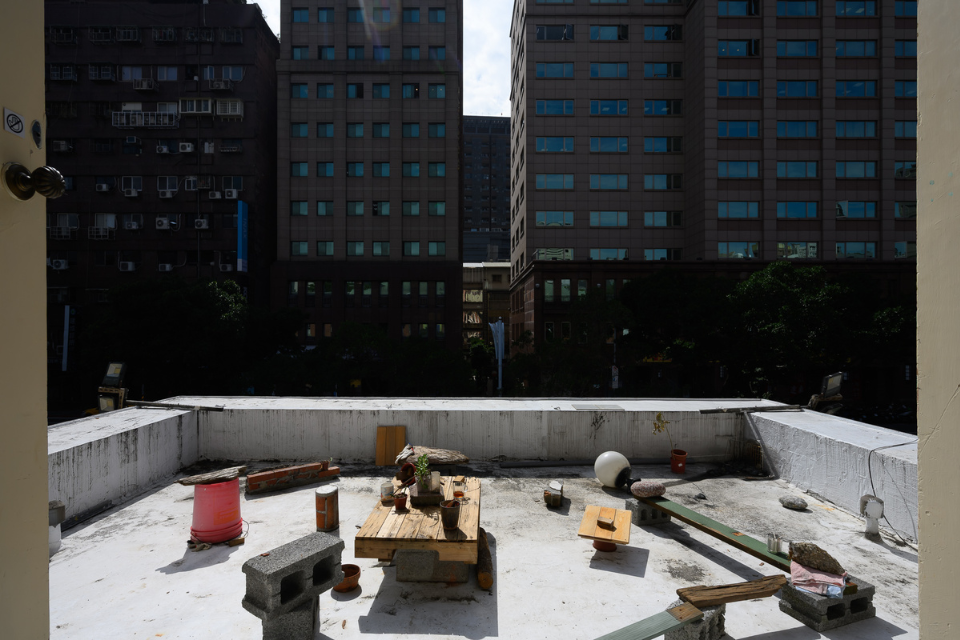
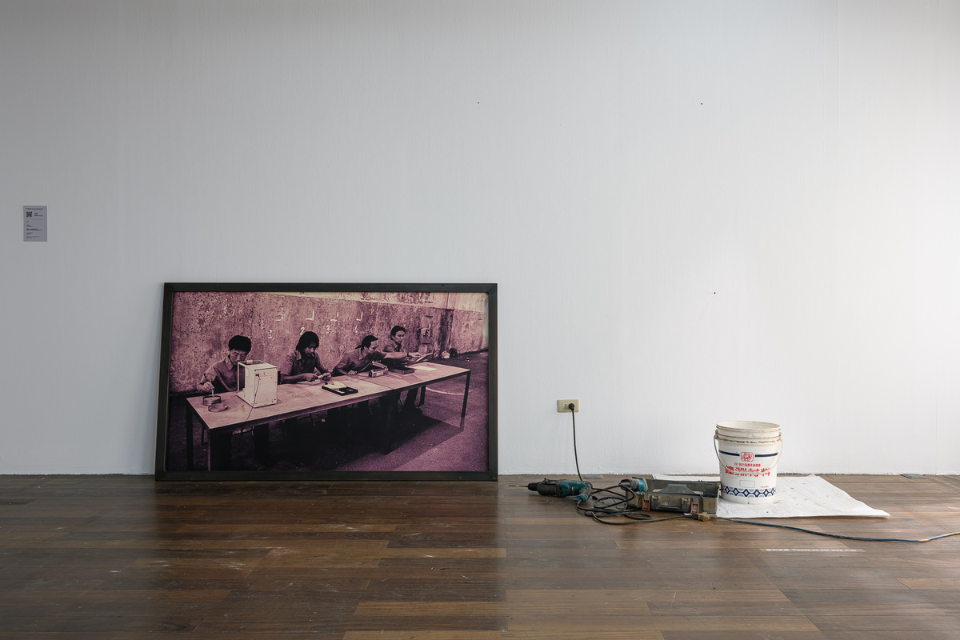
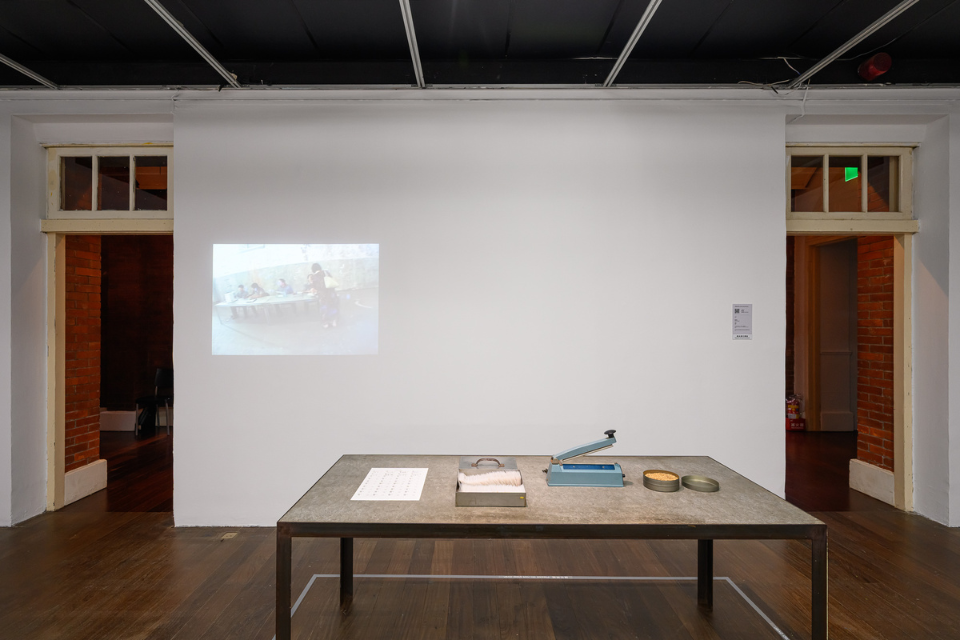
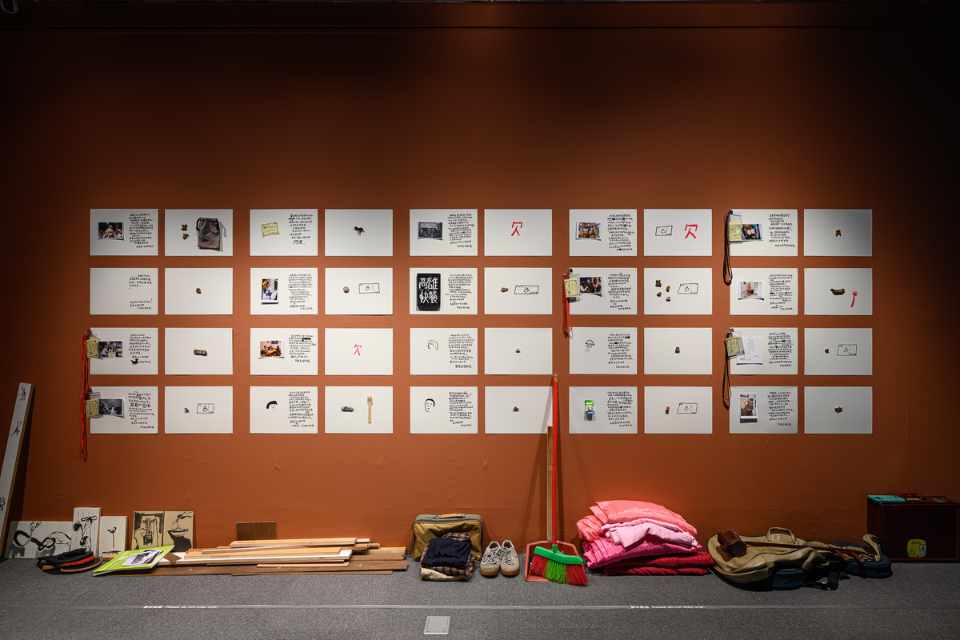
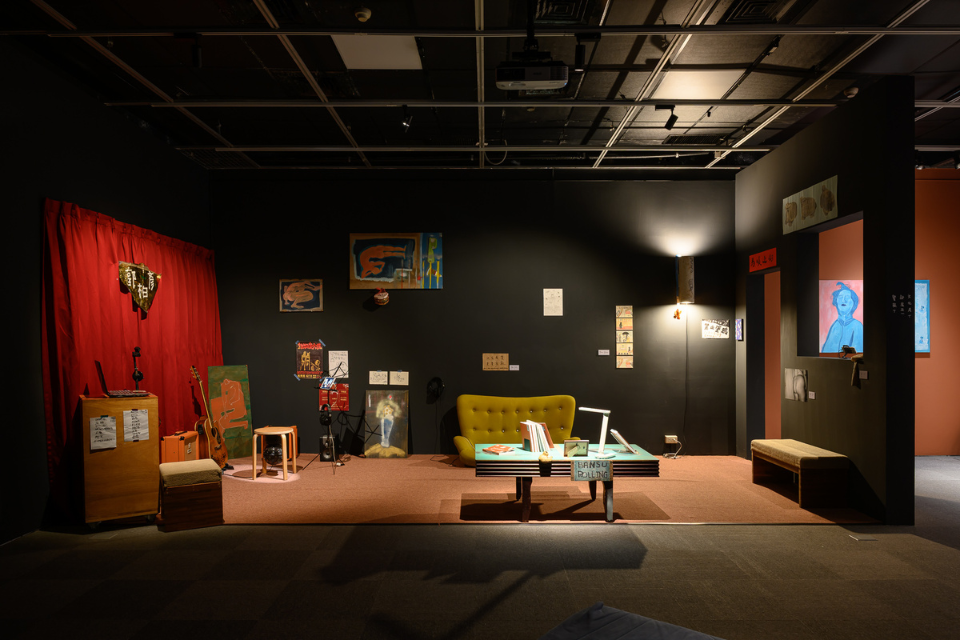
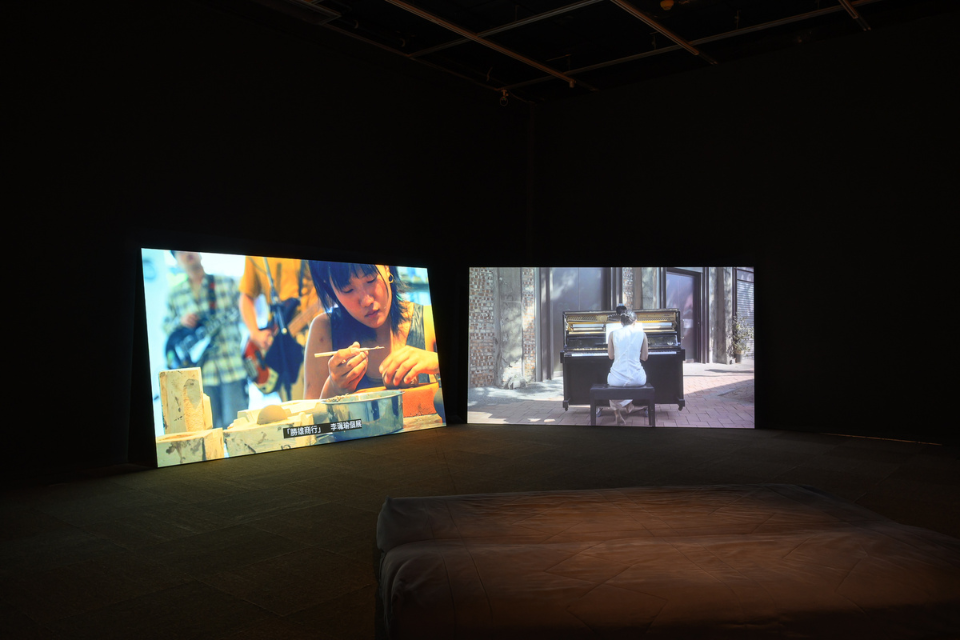
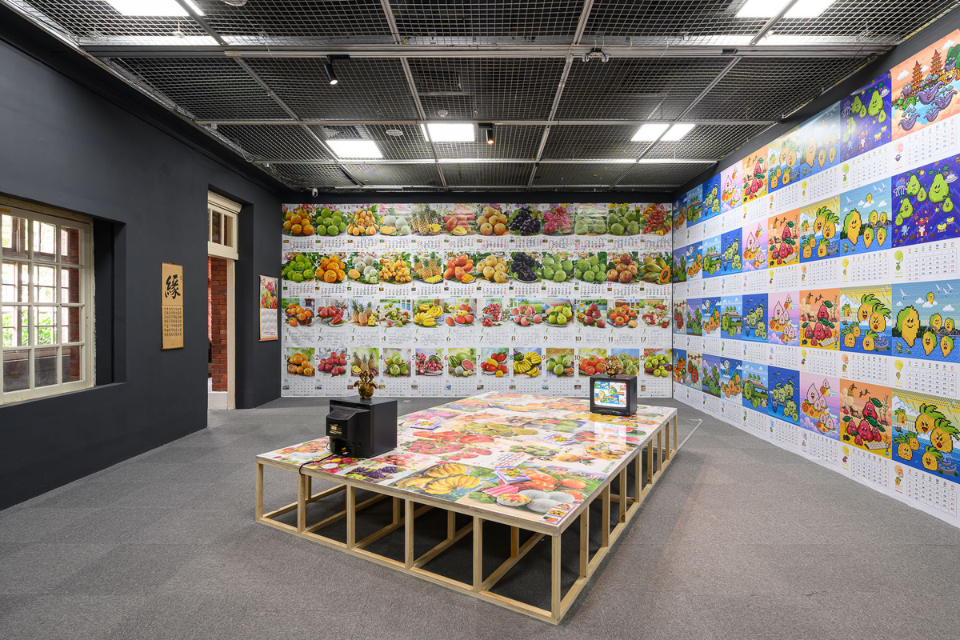
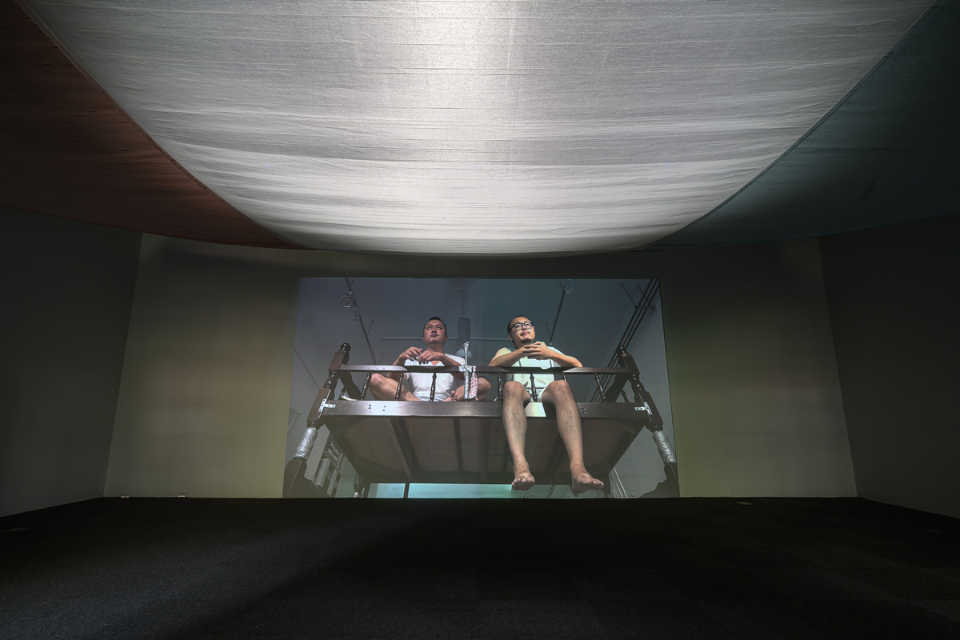
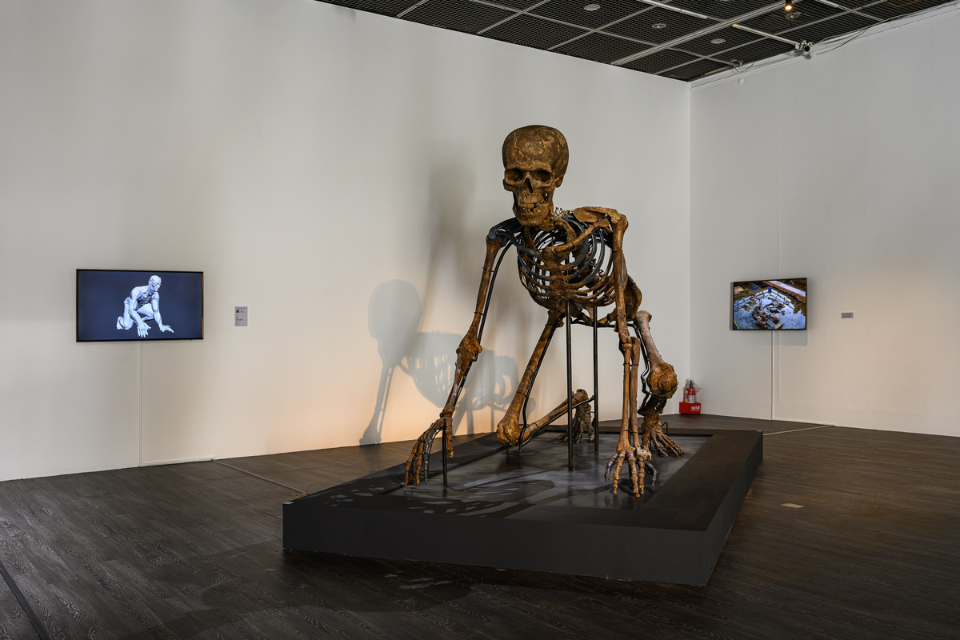
This exhibition, titled Withdrawal: Our Collective Existence, is inspired by an opportunity for retrospection—a curatorial project centered on Taiwanese contemporary art collectives that emerged after 2000. However, since most contemporary art collectives generally operate for relatively brief periods, there are often disparities between the curatorial concept and the exhibition content. While the influence of these collectives remains, their moments of prominence in art history are usually short-lived. This ephemeral nature, therefore, inspires the metaphor “withdrawal” in the curatorial concept.
Although the term “withdrawal” might invite negative connotations at first glance, it actually implies that the collective is a temporary mode of existence. Unlike an art world focused on individual images, “withdrawal” allows us to step back from these personal displays. No matter how impressive an artist’s achievements are, they still must fit into the broader collective context. Furthermore, “withdrawal” acts as a clear reminder that an artist’s individual success often overshadows the visibility of the collective.
Conversely, “being an outsider” often serves as a catalyst for many emerging young artists, prompting them to form collectives within the art community before establishing their own career paths. Thus, the “withdrawal” of individualism within the art community can inspire the formation of a collective and, later, as members gain acceptance in the art system, transform that collective into a reflection of the former outsiders—a transitional phase that can temporarily be overlooked amidst the ongoing interplay of discourse and power.
While many noteworthy exceptions exist, the feeling of being an outsider goes beyond the art world. Contemporary society encourages connections for everyone, yet these bonds often include secretive spaces where individuals are absent or excluded. As a result, we frequently feel disconnected from reality and adopt a cool, detached attitude while enjoying the gaps only a select few understand. In these moments, withdrawal creates the possibility of a sudden collapse at any time.
Withdrawal: Our Collective Existence aims to introduce Taiwanese contemporary art collectives to a broader audience. However, it is vital to clarify that these collectives serve only as a contextual backdrop for selecting the artists and works. The inclusion of specific works and artists in the exhibition is not intended to represent the collectives directly. Furthermore, the exhibition cannot encompass all Taiwanese art collectives. Instead, we can only highlight certain works through the theme of “withdrawal,” emphasizing those that stand out naturally and allow for viewing from an alternative perspective—one that reveals withdrawal as a form of collective life coexisting with the works.
MORE
LESS
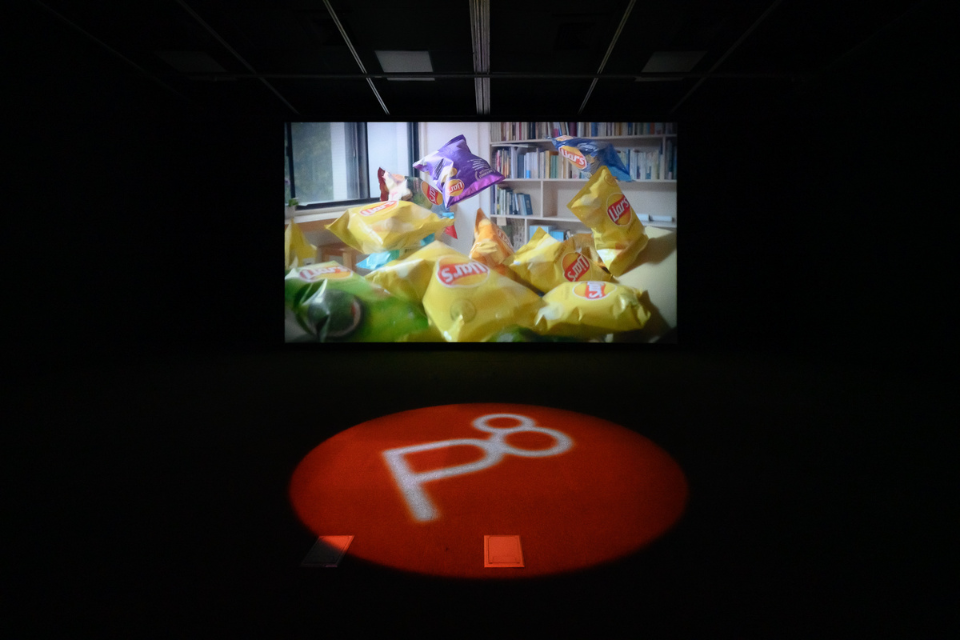
Jian Tzu-Chieh, born in 1974, is an art critic. He served as a nominator for the 14th and 15th Taishin Arts Award. His first job was at an advertising agency, and later, he worked at the art magazine Artco Monthly. He then taught part-time for nearly a decade at two art universities in northern Taiwan and earned a Ph.D. from Tainan National University of the Arts. In 2016, he started teaching regularly in the Department of Fine Arts at National Kaohsiung Normal University. Currently, he still frequently commutes between Kaohsiung and Taipei. After graduating from university, he co-founded the art group “Post 8” with friends from Taipei National University of the Arts, which lasted a year and a half. His work as an art critic and educator has given him a different perspective on Taiwanese contemporary art, which tends to be realistic. Yet he often recalls the passion and idealism of his youth as a member of an art group when he is around young people.
Lai Chih-Sheng was born in 1971 in Taipei and was a member of Nation Oxygen. Since the 1990s, Lai Chih-Sheng has developed a subtle, sensitive practice of artistic intervention responsive to different social and natural environments—by, for example, sullying a carpet that comes with the exhibition space; vertically penetrating a building with drill holes through successive floors; sabotaging the hygienic, orderly entity of an enclosed chamber with a living mosquito; or by reconnecting the campus of a high school and a museum via a game of ping pong. His work, which spans a variety of mediums, delves into subjects such as the dynamics and tension at work in a given space; life experience, and the boundaries of artistic freedom. Always attentive to detail, Lai proposes new relationships between existing elements, dealing directly with the body and perception of the viewer by presenting highly conceptual, poetic exhibitions and projects.
Lai Chih-Sheng has held exhibitions at MoCA TAIPEI, Taipei (2024); Kiang Malingue, Hong Kong (2023); Taipei Fine Arts Museum, Taipei (2020); Kirishima Open Air Museum, Kagoshima (2019); and Observation Society, Guangzhou (2018) among others. He has also participated in group exhibitions at Taipei Biennial, Taipei (2023), A Show about Nothing, By Art Matters, Hangzhou (2021), Aichi Triennale, Aichi (2016); Biennale de Lyon, Lyon (2015); Shenzhen Sculpture Biennale, Shenzhen (2014); and Invisible: Art of the Unseen 1957—2012, Hayward Gallery, London (2012).
Chen I-Hsuen is the winner of the Visual Arts Award at the 18th Taishin Arts Award. He holds an MFA from the Pratt Institute in New York and currently lives and works in Taipei. Chen’s practice, grounded firmly via attention to personal experience, initially explored his own life history through photography before expanding to the living situations of broader groups and communities. From here, his photographic practice has also grown to incorporate other elements such as video, publication, performance, and exhibition, as he has continually experimented with and sought to expand the definition and dimensionality of photography.
Chen’s work has featured at the Taipei Biennial (2016) and been exhibited internationally in cities including New York, Tokyo, Gwangju, Mexico City, and Malaysia. He has held solo exhibitions at venues such as hpgrp GALLERY NEW YORK, Kuandu Museum of Fine Arts, Bamboo Curtain Studio, Taipei Fine Arts Museum, Fotoaura Institute of Photography, Hong-gah Museum, and Taipei Artist Village. His work has also been showcased at photography festivals, including the New York Photo Festival, Singapore International Photography Festival, Lianzhou Foto Festival, Jimei x Arles International Photography Festival, and Tainan Photo Festival. His works are part of the permanent collections of the Museum of Fine Arts, Houston, and the Kadist Collection.
Founded in 2018, When Pigs Fly was launched as a project aimed at supporting Lin Yu-Hsuan’s (nicknamed “Piggie”) curatorial career to take flight. Later, they combined their shared creative and life experiences from university into an independent publication in 2019, titled What We Talk about, When We Talk about Us. The current team members include Wang Yu-Song, Ho Yen-Yen, Lin Ying-Chieh, Lin Yu-Hsuan, Hsu Ting-Jane, Chen I-Chih, Tang Ya-Wen, Tsai Tsung-Hsun, and Wei Po-Jen.
After graduation, When Pigs Fly has gradually evolved from a collaboration between a group of collaborative young art practitioners to individual members focusing on their own creative projects, curatorial efforts, art education, and design. The only consistent element is the set of scenes that have brought them together over these years: social movements, exhibition installations before openings, members’ homes, and extended online meetings. They have never intended to keep their camaraderie “private,” often highlighting relationships that cannot be reduced to artworks in their projects while documenting and addressing the distance between themselves and art.
Their key works include DA-TOU (182artspace, 2023), Under the Sea (Pingtung Luo Shan Feng Art Festival, 2020), Taipei Dream (Taipei Fine Arts Museum, 2018), Guerillas (VT Artsalon, 2018), and Body-Boat (2016).
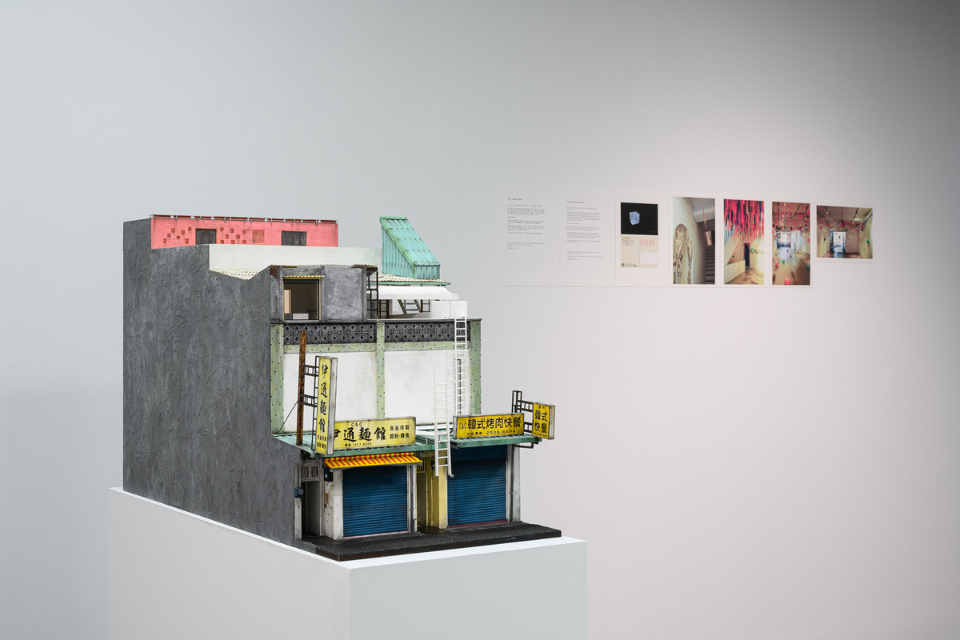
Liao Chien-Chung was born in 1972 in Taipei, Taiwan. He graduated from the Department of Fine Arts at Taipei University of the Arts and was a member of Nation Oxygen. He is known for creating models that mimic the appearances of various objects, using them as a means to address contemporary life’s predicaments and challenges. Liao has held solo exhibitions at several venues, including Eslite Gallery, IT Park, Double Square Gallery, VT Artsalon in Taipei, Absolute Space of the Art in Tainan, and Yu-Hsiu Museum of Art in Nantou. Additionally, he has also been featured in group exhibitions at numerous art institutions, such as the Taipei Fine Arts Museum, MoCA TAIPEI, New Taipei City Museum, Chimei Museum in Tainan, and Pier-2 Art Center in Kaohsiung. He has conducted artist residencies at the Cité internationale des arts in Paris and the Glenfiddich Distillery in Scotland. His large-scale installations are part of collections at the White Rabbit Contemporary Chinese Art Collection in Australia, Taoyuan Museum of Fine Arts, and National Taiwan Museum of Fine Arts. He currently lives and works in his studio in Duchuantou, Bali District, New Taipei City.
Nation Oxygen was a Taiwanese art collective active in the 1990s, founded in November 1998 by six artists: Lee Ji-Hong, Chiu Hsueh-Meng, Carrie Ou, Yeh Chieh-Hua, Liao Chien-Chung, and Lai Chih-Sheng. Their works primarily focused on site-specific installations, performance art, and video art. Around the year 2000, they frequently created in abandoned buildings and independent spaces near Taipei: such as Nation Oxygen Work Presentation I in 1999 at an abandoned residential house in Bali; Nation Oxygen Work Presentation II at New Paradise; and Arther in 2000 at IT Park. In 2001, they participated in the international exhibition Rice Transformation: An Asian Cross-Cultural Project, creating the live performance Tsau at Huashan Creative Park. In 2002, they presented documentation and video of Tsau at the Co2 Taiwan Avant-Garde Document Exhibition. Their most recent presentation was Micro-Images in Taipei in 2010, where they exhibited the work Gangster.
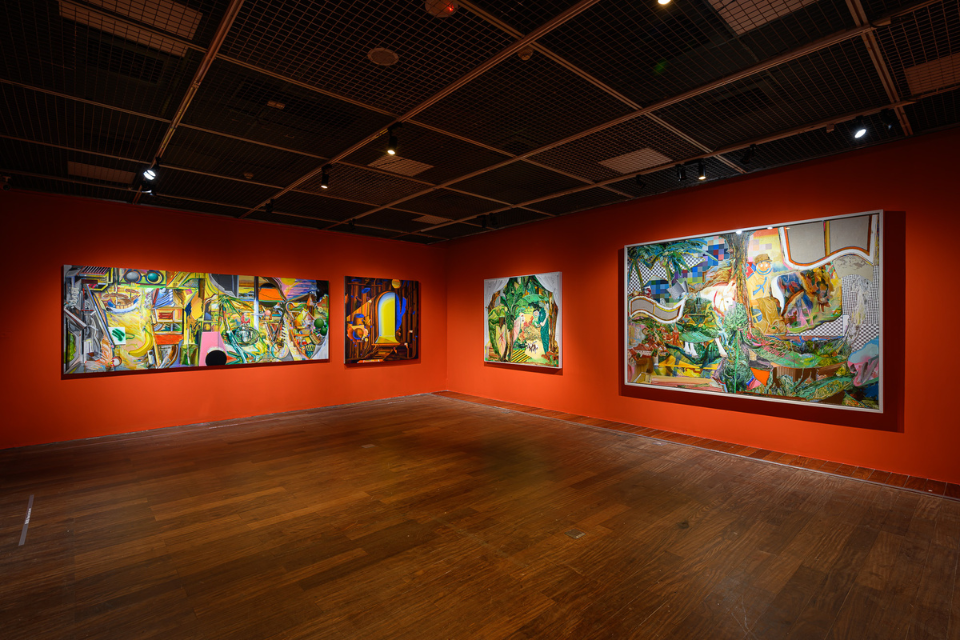
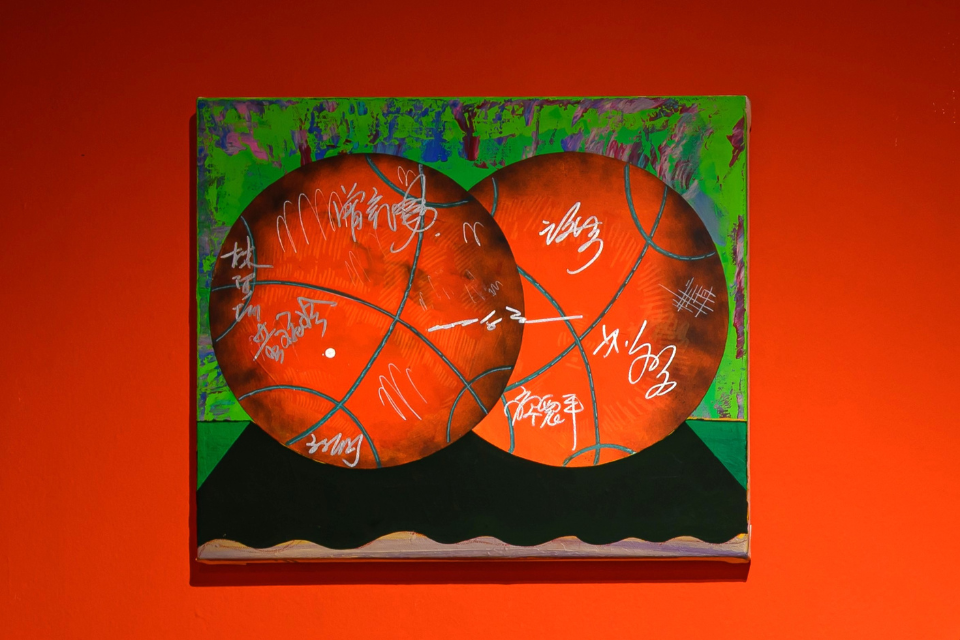
Hsieh Mu-Chi, born in 1981 in Taipei, Taiwan, graduated from the Graduate School of Fine Arts, Taipei National University of the Arts. In recent years, his work has shifted its focus back to painting, with the aim of connecting more deeply with Taiwan’s environment and cultural context. For Hsieh, painting is not just a medium for creation but also a continuous process of inquiry and exploration, as he searches for the role and representation of painting within contemporary Taiwanese culture. Hsieh is a member of contemporary art collectives such as N.T. Five and Weilai Art Group.
So Yo Hen, an art enthusiast, studied at the Graduate Institute of Arts at Tainan National University of the Arts and is currently a member of Your Bros. Filmmaking Group. Sometimes, he drifts back to the youthful days of founding Wonder Boyz many years ago. His creative work spans various mediums, and he approaches it without preconceived notions about what he’s doing.
From 2017 to 2022, Kueh Peh-Gan and Annie Lee established and ran the “Bansu House,” located in Jianye New Village, Zuoying, Kaohsiung, as part of the first phase of the “Residency as Maintenance Project” (以住代護計畫) initiated by the Kaohsiung City Government’s Bureau of Cultural Affairs. Throughout these five years, Kueh, with an architectural background, managed an alternative space, delved into the visual arts, and founded the Bansu Band. Meanwhile, Lee continued her own creative work and earned the nickname “Mamasan,” a caregiver figure for everyone.
Walking Grass Agriculture is an interdisciplinary artist collective founded in 2014 by Chen Han-Sheng and Liu Hsing-Yu, whose farming backgrounds inform their field research, image-making, and object-based practice.
Chen holds an MFA from Taipei National University of the Arts and has received major honors including the Taipei Art Award (Honorable Mention) and the Tainan New Artist Award (First Prize). Liu earned his MFA from National Kaohsiung Normal University and won the KG+SELECT Grand Prize at the 2024 Kyoto International Photography Festival. Their works have been shown at the Centre Pompidou, the Taipei Fine Arts Museum, and the Kaohsiung Newei Arts Center, and they have participated in the Mattauw Land Art Festival, the Kaohsiung International Steel and Iron Sculpture Festival, and the Matsu International Art Festival. They are currently in residence in Kumamoto, Japan, presenting new work at Tsunagi Art Museum.
Tsui Kuang-Yu has been trying to respond to the adaptive relationship between humans and society from a biological point of view. He also attempts to redefine or question the matrix of the institution we inhabit through different actions and experiments that defy customary norms. His repetitive body experiments accentuate the absurdity of the social values and reality to which people have grown accustomed.
Tsui Kuang-Yu was born in Taipei, Taiwan in 1974 and was a member of Post 8 (P8). In 1997 he graduated from National Institute of the Arts and has exhibited internationally since, including Venice Biennale, Liverpool Biennale, Werkleitz Biennial, Reina Sofia Museum, ZKM Center for Art and Media, Contour Biennial, Chelsea Art Museum, Mori Museum, and OK Centrum.
Chiang Chung-Lun was born in Taichung, Taiwan and currently lives in Tainan. He was a member of Wonder Boyz. He graduated from the Graduate Institute of Plastic Arts at Tainan National University of the Arts and is an artist who specializes in using a diverse range of creative formats to express his personal history. Often transforming everyday life into creative sources for his art, he facilitates interactions between the ordinary and his creative endeavors.
In his early years, he graduated from the Painting Program of Fu-Hsin Trade & Arts School and the Spatial Design Program of Shih Chien College of Home Economics. He worked as a prototype sculptor for toys and gift products for 10 years, as an advertising sales representative at Liberty Times for 7 years, and ran Dogpig Art Café as a site for art as resistance for 15 years. His project, Unknown, is currently underway.
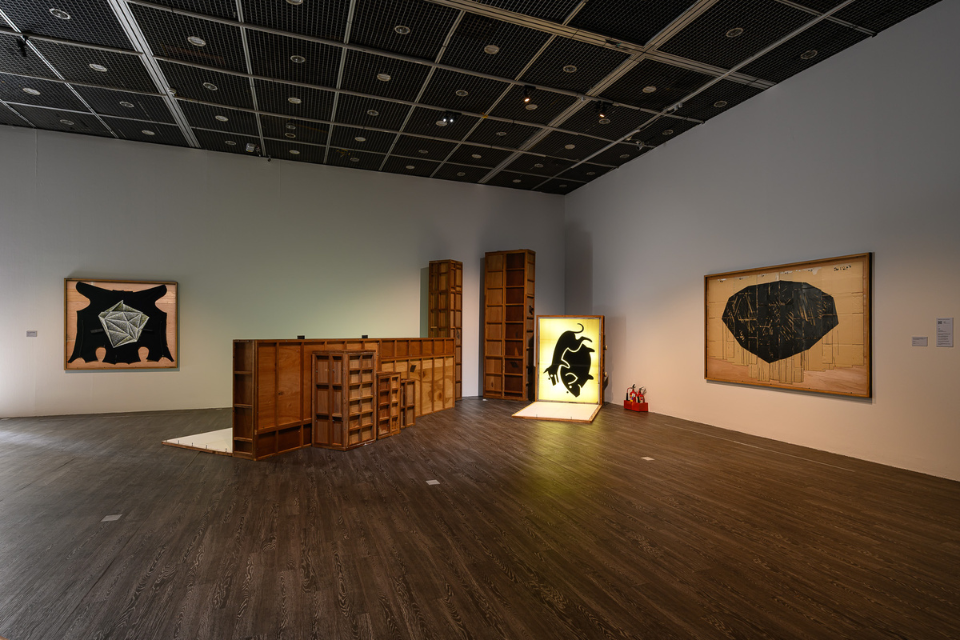
Lin Chun-Yung was born in Kaohsiung in 1967 and is a member of Fishsnipers. He approaches art and creation from an ecological and environmental viewpoint and particularly lays emphasis on property justice. With his deep understanding of local culture and community, he situates Taiwan’s ecological concerns within a global context and eventually extends his work to the sustainability of worldwide marine ecology.
Under the pseudonym “Chun-Yung’s Fake Excavation Team,” Lin creates artwork by simulating archaeology excavations, site reconstruction and antique replication. His exhibit Excavation Plan of Architectural Ruins in Sin Siang Lang Seacoast is a forged archaeological site critiquing the exploitation of the coastline in Taiwan and won him the 2014 Austronesian International Arts Award.
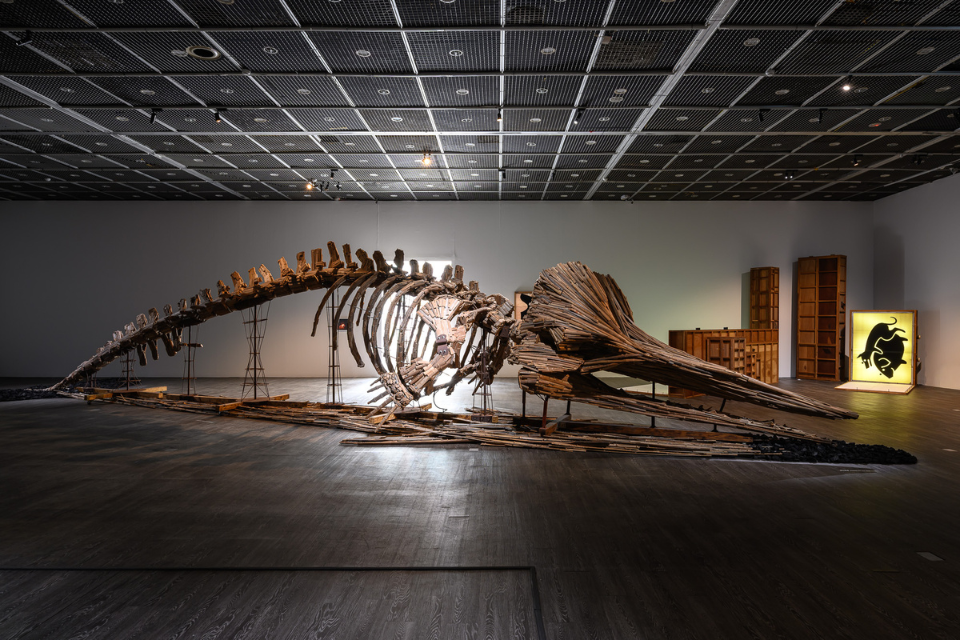
In 2015, inspired by the stranding of the sperm whale Da Bao, Lin created the large-scale woodcut installation The Death of Sperm Whale, as well as miniature wave-break installations made from marine debris, including Rouzongjiao Taiwan geographic map, Rouzongjiao in Cigu, and Tomorrow’s Dining Table. These artworks highlight the relationship between humans and nature, aiming to raise awareness of oceanic crises among islanders and to speak up for Taiwan’s natural environment.
Born in Kaohsiung, Taiwan in 1969, Tu Wei-Cheng is a member of Hantoo Art Group. He holds an MFA from the Graduate Institute of Plastic Arts of the Tainan National University of the Arts (2005). He now works as an artist, as well as an Assistant Professor at the Taipei National University of the Arts in Taiwan. He has exhibited internationally, including at the Museum of Asian Arts, Nice, France (2022), Oku-Noto Triennale 2020+ in Japan (2020), Rijksmuseum, Netherlands (2019); 1st Thailand Biennale, Krabi, Thailand (2018); V&A Museum, U.K. (2017); Singapore Art Museum (2013); Gwangju Biennale, South Korea (2012); Guangzhou Triennial, China (2012); Queens Museum, U.S. (2008); Palazzo delle Arti Napoli, Italy (2007); and Shanghai Biennale, China (2006).
CLOSE
CLOSE
Copyright Notice
MOCA Taipei holds a high respect for the copyright of others, and it is stated in MOCA Taipei’s terms of service that any user of the museum’s service shall not infringe on others’ copyright. Therefore, MOCA Taipei hereby ask all our users to respect others’ copyright. If you think any of the content on MOCA Taipei’s website or anyone using MOCA Taipei’s service has infringed on your copyright, we strongly advice to you to file a complaint according to the regulations stated below, and MOCA Taipei customer service center will initiate related procedures as soon as possible.
If any of the content on MOCA Taipei’s website or anyone using MOCA Taipei’s service
has infringed on your copyright, please fill out the “Copyright Infringement
Notice,” provide the information and statements listed on the notice, and send them
to MOCA Taipei via fax.
1. Signature of the copyright owner or the signature of the proxy of the copyright
owner; document proving the ownership of the copyright and the copyrighted contents,
i.e. the cover and related pages of a publication, print-outs of webpage contents
and the URL.
2. The webpage and URL containing the contents that cause the copyright
infringement.
3. Your contact address and phone number.
4. A written statement stating that you believe the use of the webpage content is
without the consent of the copyright owner, the proxy of the copyright owner, or the
authorization of the law.
5. A written statement confirming that the information you state in the notice is
truthful and you hereby make the statement as the copyright owner or the proxy of
the copyright owner.
1. MOCA Taipei will remove the webpage content claimed to cause the copyright
infringement as soon as possible after receiving your notice, and will inform the
user about the infringement via email. If the said user objects to said
infringement, MOCA Taipei can provide your name, email or phone number to said user
so that direct communication can be achieved to resolve the dispute.
2. According to MOCA Taipei’s privacy policy and related regulations, MOCA Taipei is
only allowed to provide a user’s personally identifiable information to a third
party by the request of the law or a governmental agency unless said user agrees or
for the purpose of providing a service. Therefore, when you file a report, MOCA
Taipei will only remove the contents causing the copyright infringement, and will
not provide you any personally identifiable information of said user. If you wish to
obtain the user’s information, a legal proceeding must be filed at the District
Prosecutor’s Office or the Criminal Investigation Bureau, who will issue an official
letter to MOCA Taipei requesting the user’s information. In the case, MOCA Taipei
will comply accordingly.
Privacy and Data Protection Policy
MOCA Taipei values user’s privacy very much and has implemented the following privacy and data protection policy, which is listed below for your reference.
The privacy and data protection policy includes MOCA Taipei’s management of personal
identifiable information collected when providing users the website service as well as MOCA
Taipei’s management of any personal identifiable information shared between the museum and
our business partners.
The privacy and data protection policy is not applicable to any enterprise other than MOCA
Taipei, nor does it apply to those that are not staff or managements employed by MOCA
Taipei.
When you register a MOCA Taipei account, use MOCA Taipei’s products or services, browse MOCA
Taipei’s website, take part in related promotional activities or gifting programs, MOCA
Taipei will collect your personal identifiable information. MOCA Taipei is also allowed to
obtain said information from our business partners.
When you register a MOCA Taipei account, you will be asked to provide your name, email, date
of birth, sex, work title, field of profession and personal interests. Once your
registration is successful and the account is successfully logged into for the use of our
service, we will be able to recognize you.
MOCA Taipei also automatically receive and record the server data on your browser, including
IP address, the information in MOCA Taipei’s cookie and the record of visited webpages.
MOCA Taipei uses the information for the following purposes: to improve advertisement and
webpage contents provided for you, to complete your request for a certain product and to
notify you about a special event or new project.
MOCA Taipei will not sell or loan your personal identifiable information to anyone.
In the following circumstances, MOCA Taipei will provide your personal identifiable
information to a governmental agency, an individual or a company.
To obtain your consent before sharing the information with other individuals or companies.
To provide a requested product or service, which requires sharing your information with
other individuals or companies.
To provide a requested product or service, which requires providing the information to
companies providing the product or service on behalf of MOCA Taipei. (Without our notice in
advance, these companies will not have the right to use the personal information we provided
for purposes other than provide a product or service.
To abide the law or the request of a governmental agency.
When an action on the website violates MOCA Taipei’s terms of service or the specific user’s
guidelines of a product or service.
Other information required to be disclosed by the Computer-Processed Personal Data
Protection Law or other regulations.
To protect user’s privacy and personal data, MOCA Taipei is not allowed to look up other
user’s account information for you. Should you need to look up someone else’s information
due to legal issues, please contact the police to file a legal proceeding. MOCA Taipei will
fully cooperate with the police to provide necessary information to assist with the
investigation and solve the case.
MOCA Taipei will access your computer setup to extract MOCA Taipei’s cookie.
MOCA Taipei allows the companies that place advertisements on the museum website to access
your computer setup and extract cookies. Other companies will follow their own privacy and
data protection policies to use cookies instead of MOCA Taipei’s policy. Other advertisers
or companies are not allowed to extract MOCA Taipei’s cookie.
When MOCA Taipei conducts tasks related to our products and services, web beacons are used
to access our website network to use cookies.
MOCA Taipei’s users have the right to revise their personal MOCA Taipei account information
and set up personal preferences anytime, including the option as to whether you would like
to receive notifications about special events or new products.
Based on the Computer-Processed Personal Data Protection Law, when the purpose of using your
personal information expires, MOCA Taipei will provide the service to delete your account
and data. However, to do so, please contact us via telephone.
MOCA Taipei adopts a method that conforms to the Computer-Processed Personal Data Protection
Law to protect your personal information.
To protect your privacy and safety, the data in your MOCA Taipei account will be
password-protected.
Under some circumstances, MOCA Taipei uses the standard SSL security system to ensure the
safety of data transmission.
MOCA Taipei has the right to revise our policies at any time necessary. When the regulations
regarding using personal information are extensively revised, public announcements will be
made on our website to inform you about the revisions.
Please tell us your ideas and suggestions here.