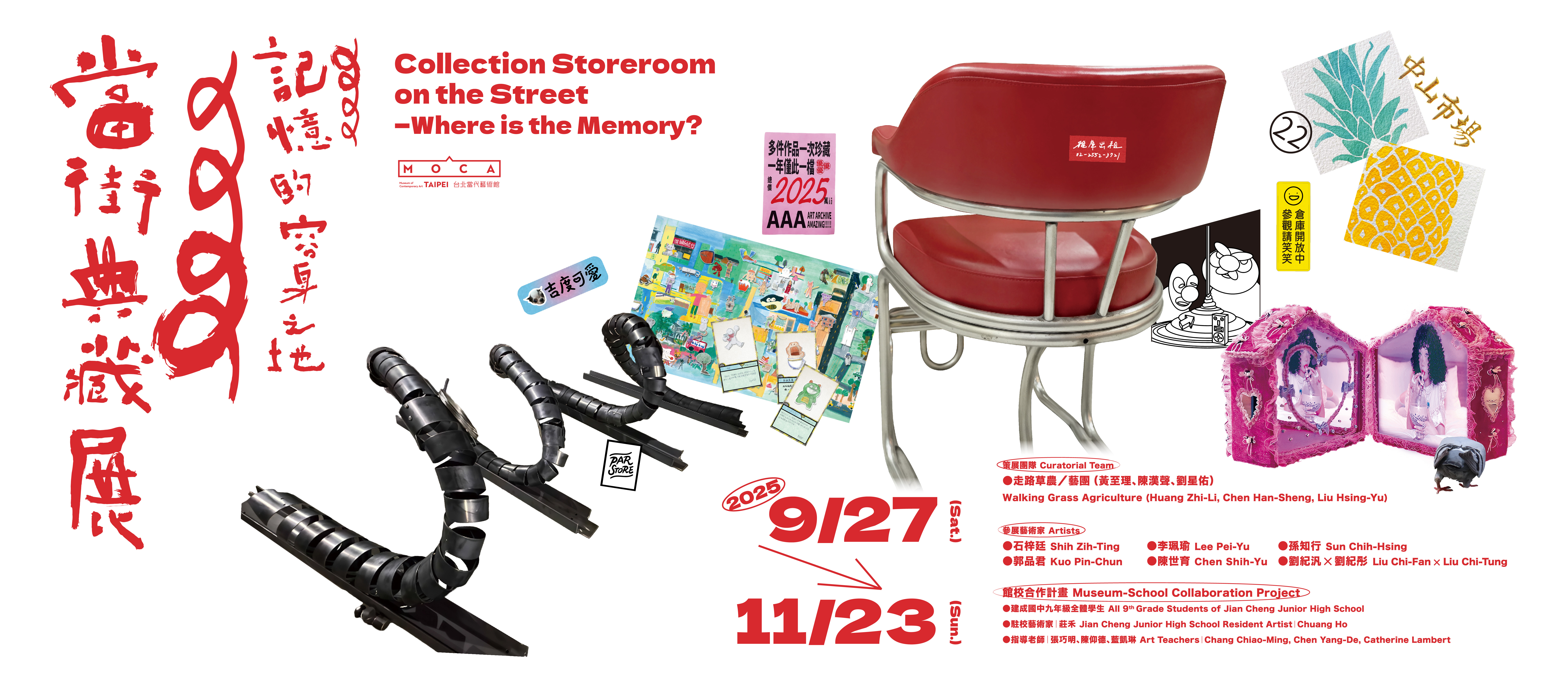
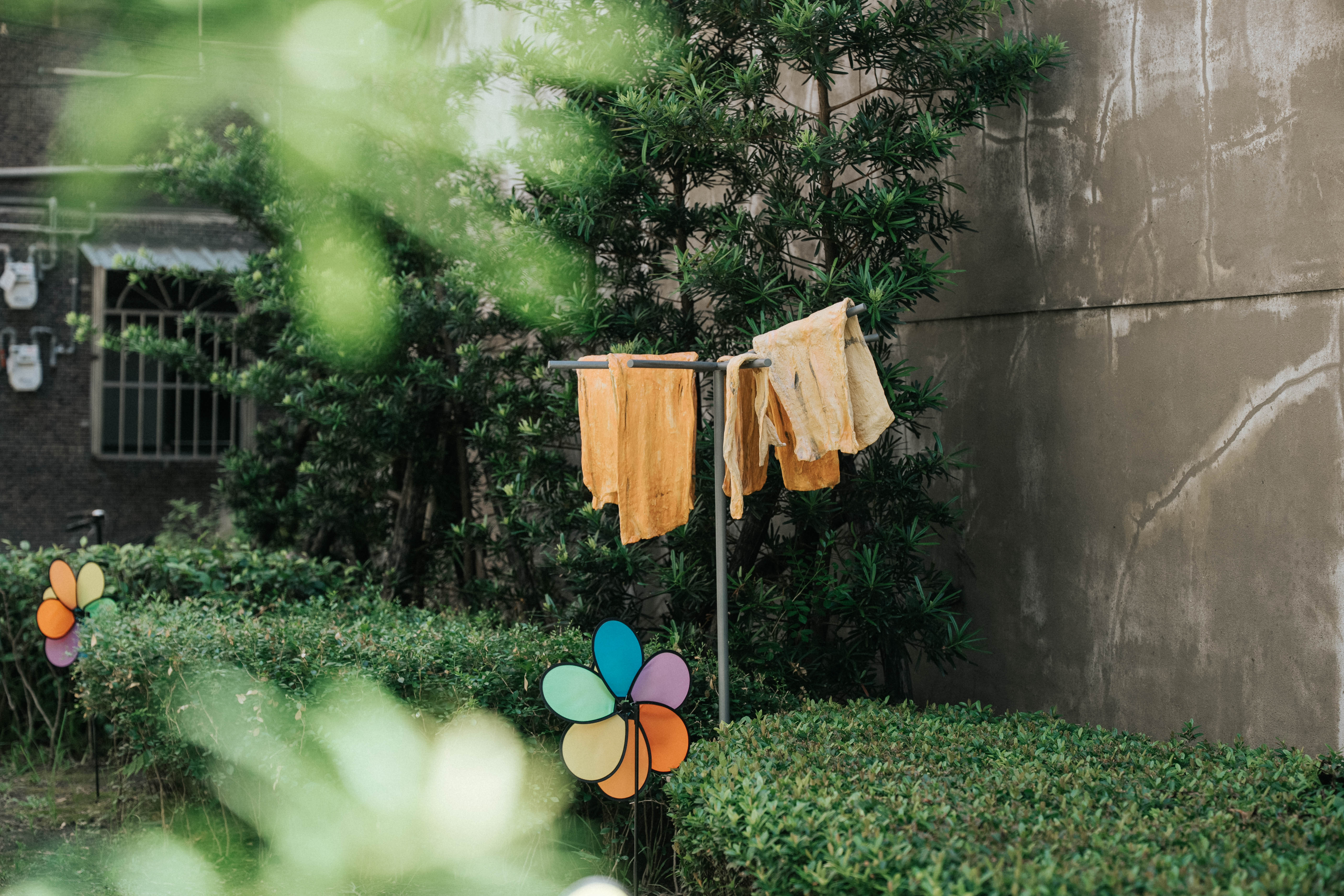
Since 2012, MoCA TAIPEI has initiated exhibition projects in collaboration with neighboring districts, creating various possibilities for encountering art in daily life through artists’ works and performance activities, stepping out of the white cube. Artworks continuously enter and exit, shops persistently open and close, and public spaces undergo landscape changes in response to national policies. As exhibitions accumulate over the years, the artworks displayed have gradually outlined a field that is both ambiguous and distinct on the map through their installation sites.
This exhibition originated from the 2019 Community Art Project Inhale! Exhale! What a Quality Life Really Entails. After the exhibition concluded, participating artists Liu Chi-Fan and Liu Chi-Tung were invited by stall owners to complete a commissioned work and have maintained contact ever since. Six years later, before this exhibition opened, works had already materialized, thus triggering this series of reflections.
To discuss the invisible temporality of this field, this exhibition virtually established an on-site “MoCA Collection Storeroom on the Street,” abbreviated as the “Collection Storeroom on the Street,” with the subtitle “Where is the memory?” It attempts to explore how “street collection” might be possible. The artists’ site-specific works make the meaning of “being on the street” both a dialogue with the present and a reference to the past. When events become exhibitions, how do we represent and document them? The significance of artworks extends beyond the interpretation and reading of “objects” to encompass the collective participation of all those who discussed, communicated, and negotiated from the moment the work was installed until it left the site. Works appear to be object-based, but are actually event-based and historical. Each instance of “being on the street” constitutes an opening of the “collection storeroom.”
In addition to Liu Chi-Fan and Liu Chi-Tung, this exhibition features seven artists, including Lee Pei-Yu, Kuo Pin-Chun, Shih Zih-Ting, Sun Chih-Hsing, and Chen Shih-Yu. Using the concept of “on the street” as a starting point for engaging in dialogue with the community, the exhibition incorporates painting, video, sculpture, and installation art to transform artistic creation into a proactive practice of archiving and public commentary. This Community Art Project also opens the district (collection storeroom), conceptually exchanging with public space. It leads visitors through the mysterious and often overlooked areas surrounding MoCA TAIPEI, making leaving the white cube a necessary path to entering the collection storeroom.
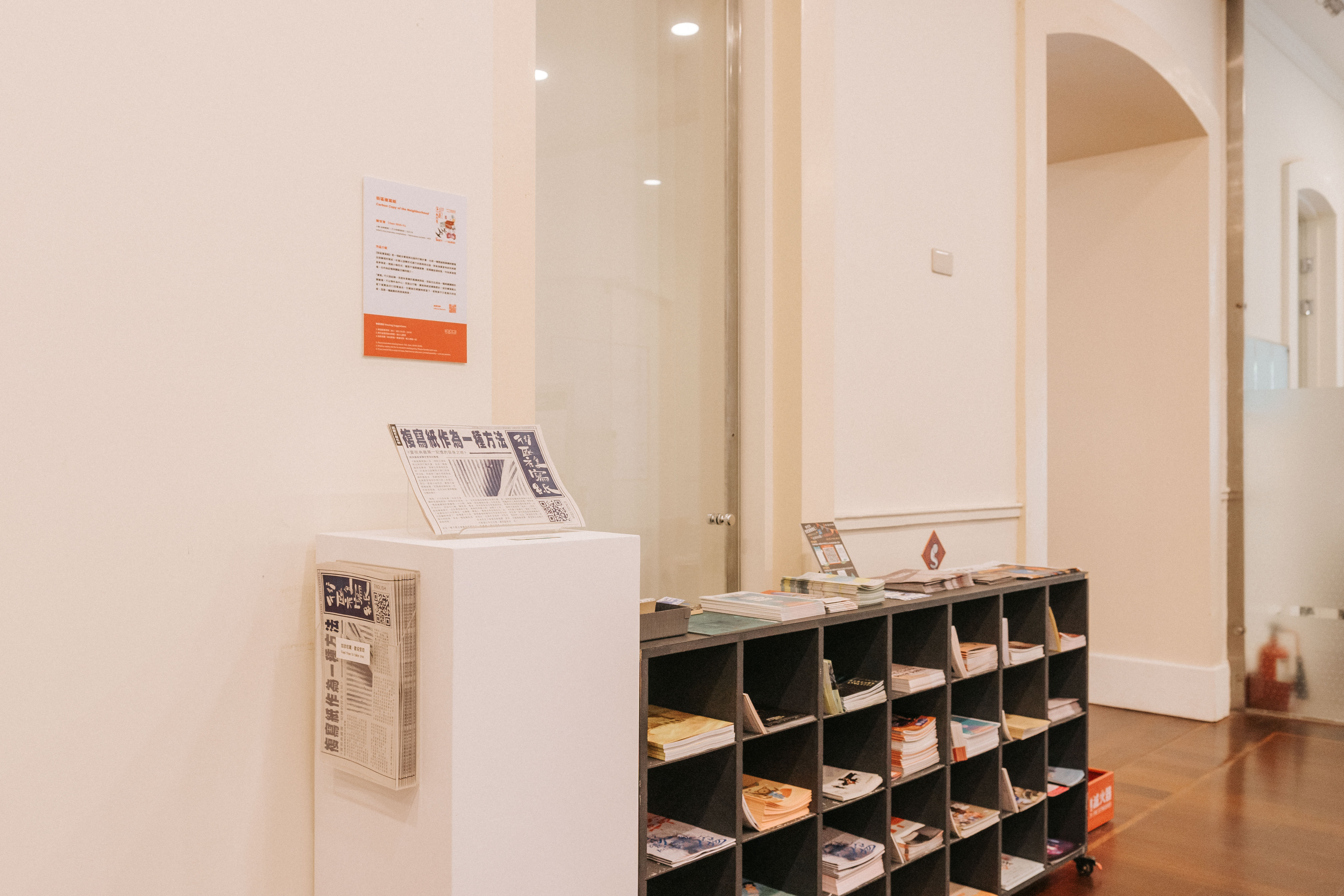
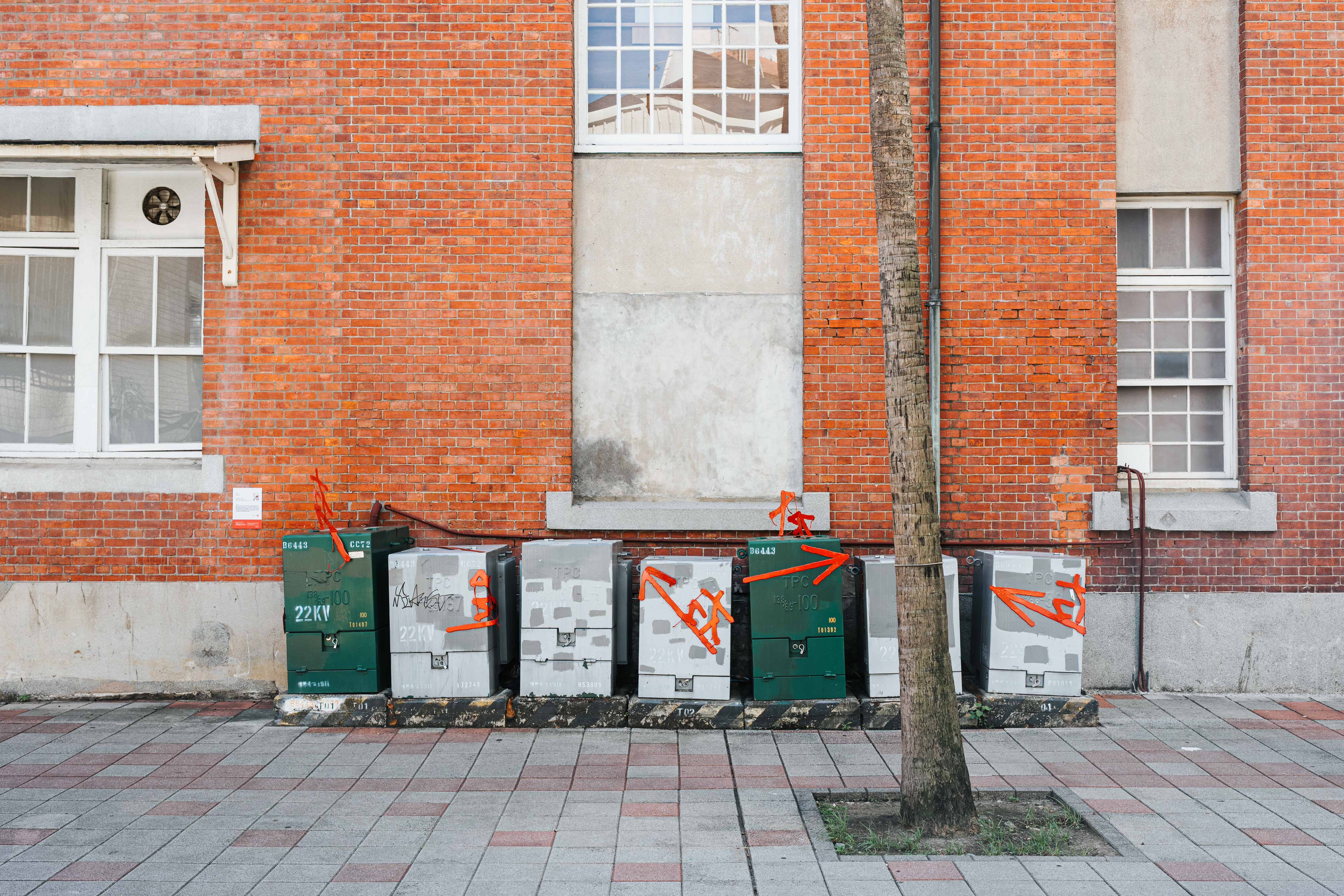
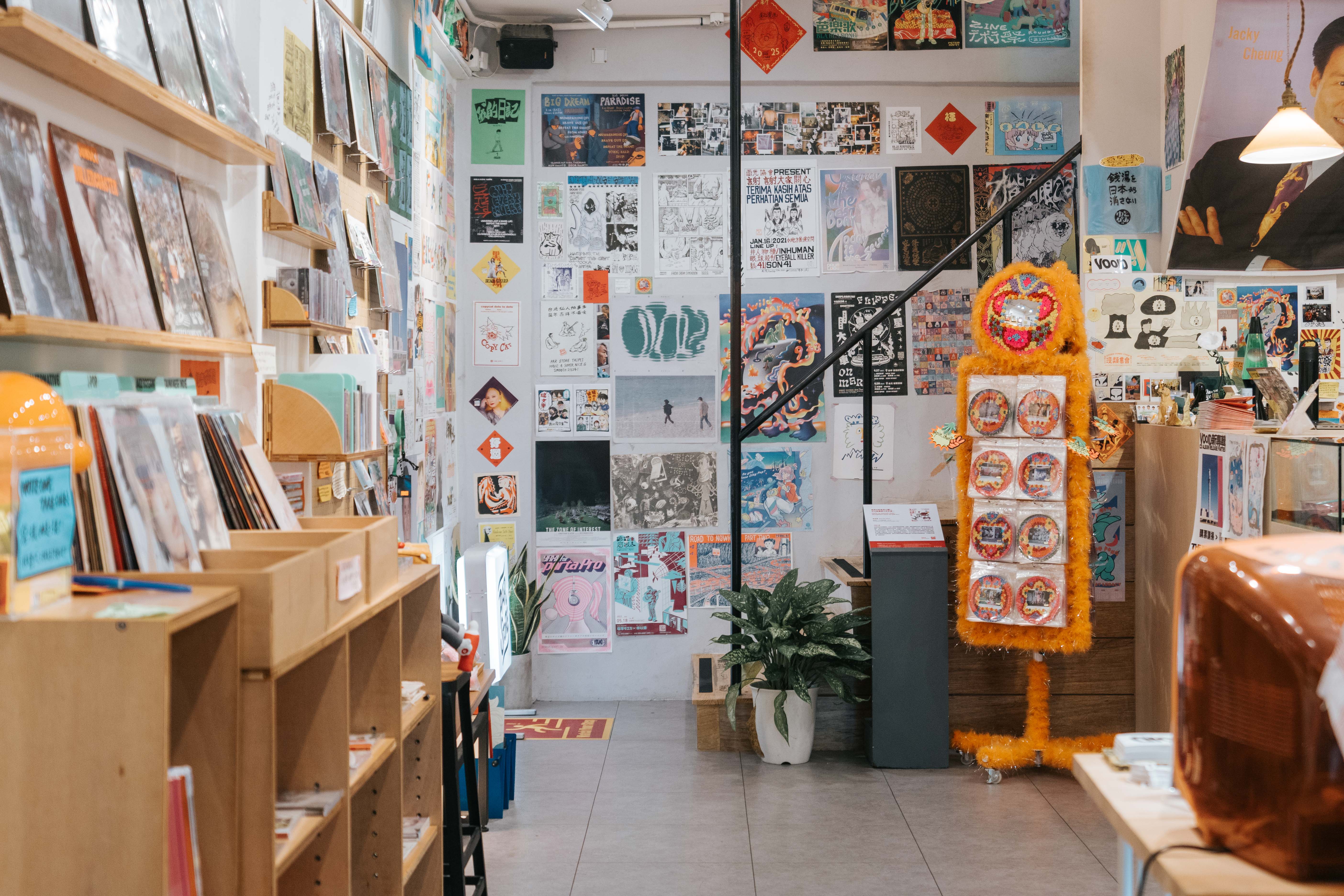
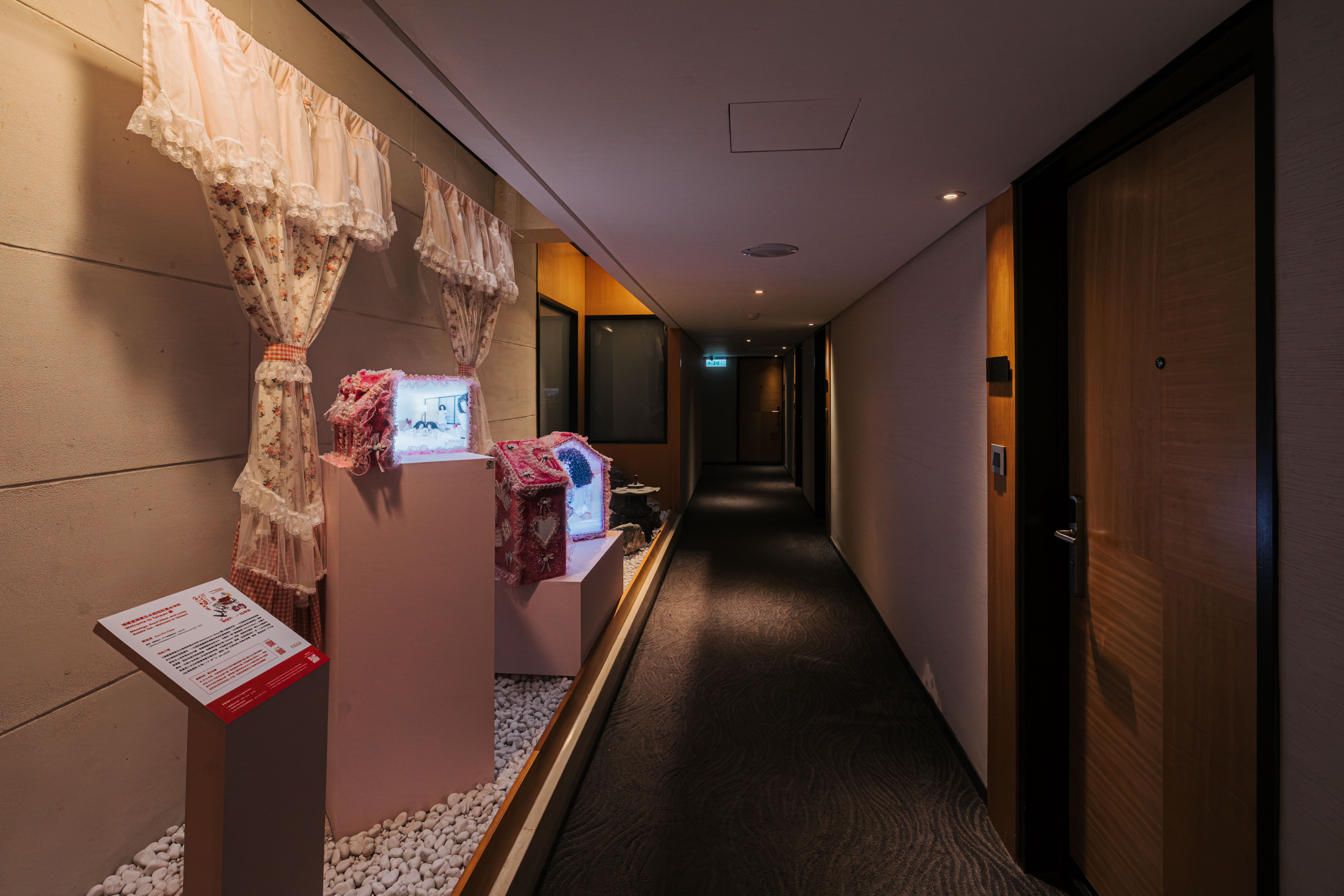
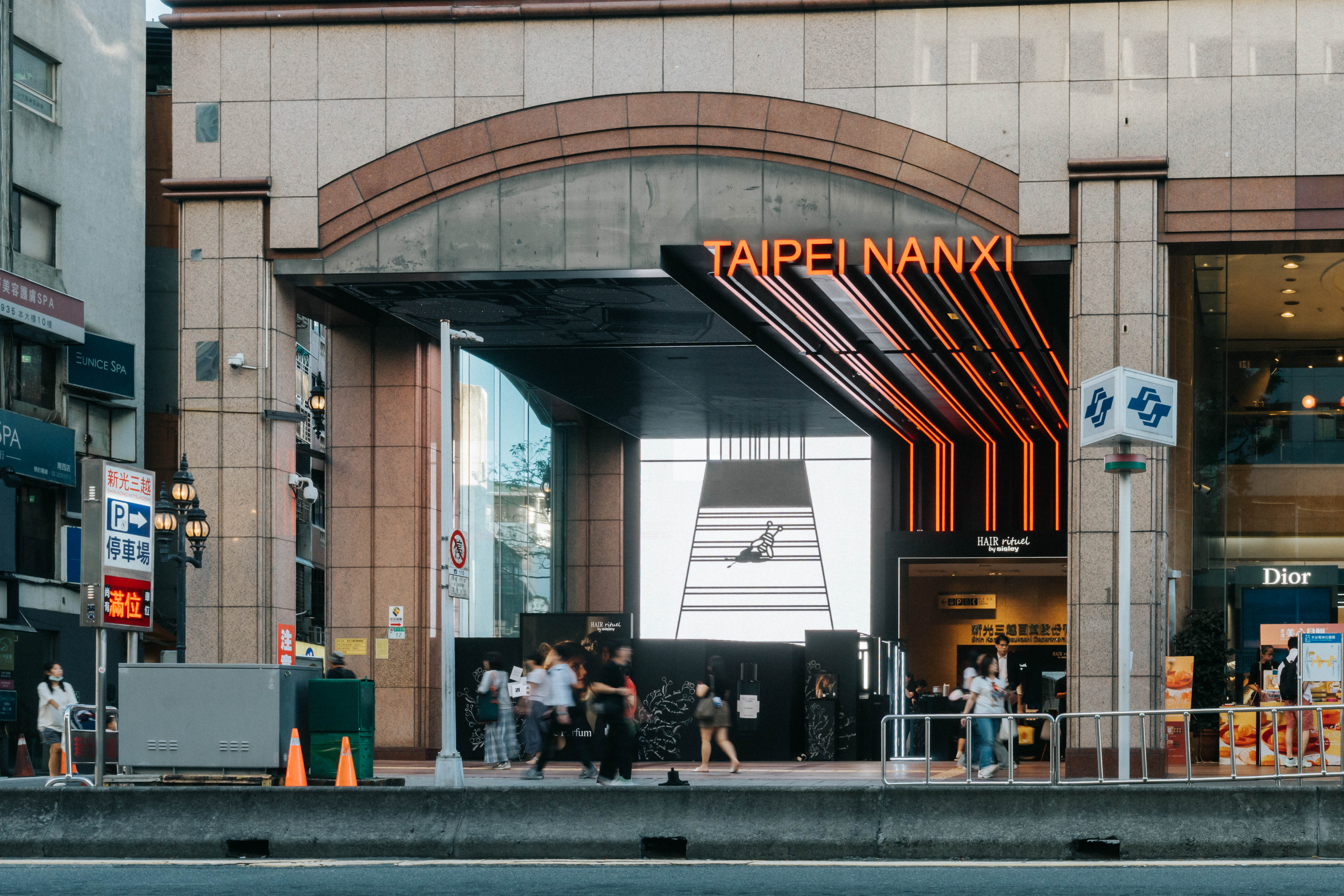
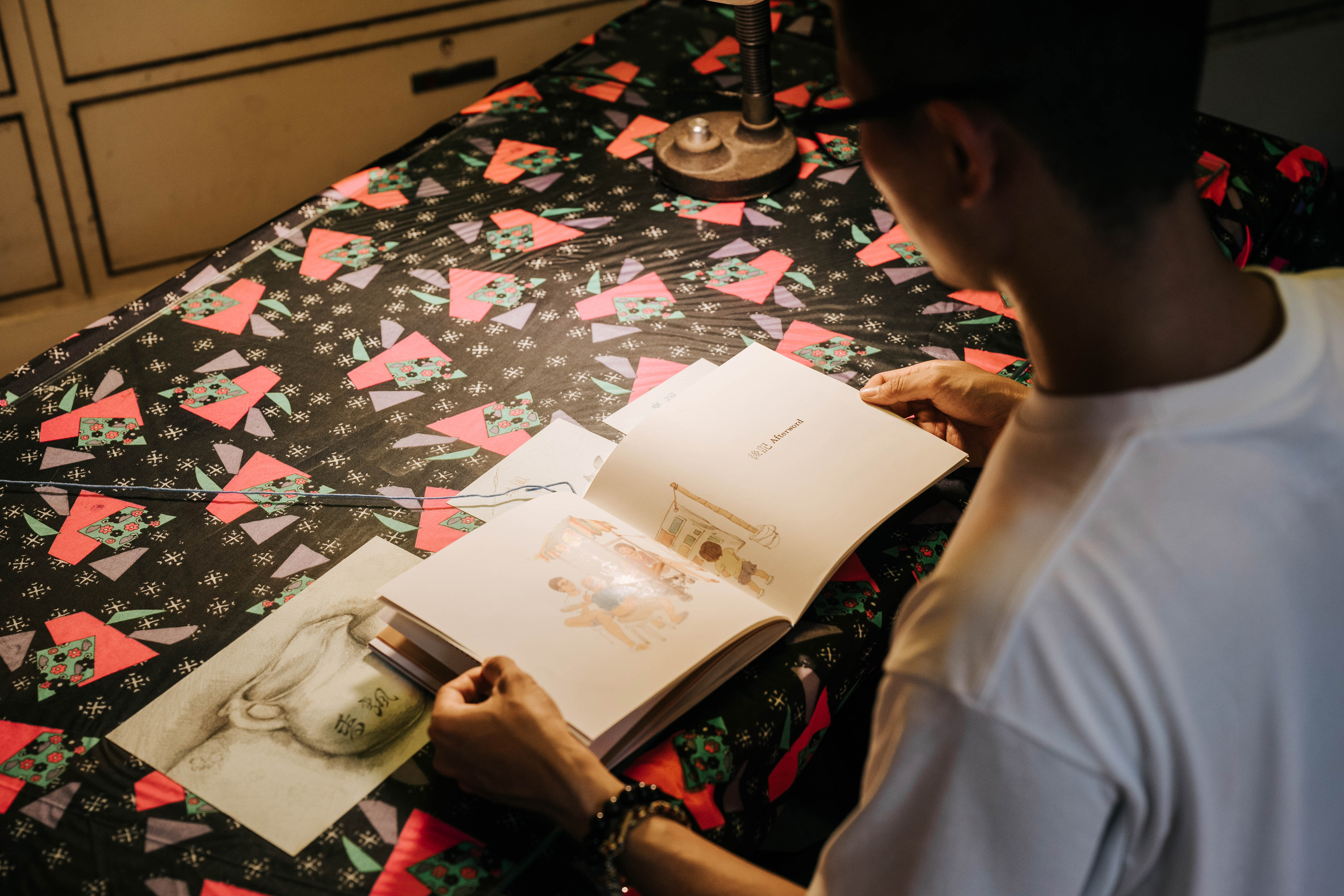
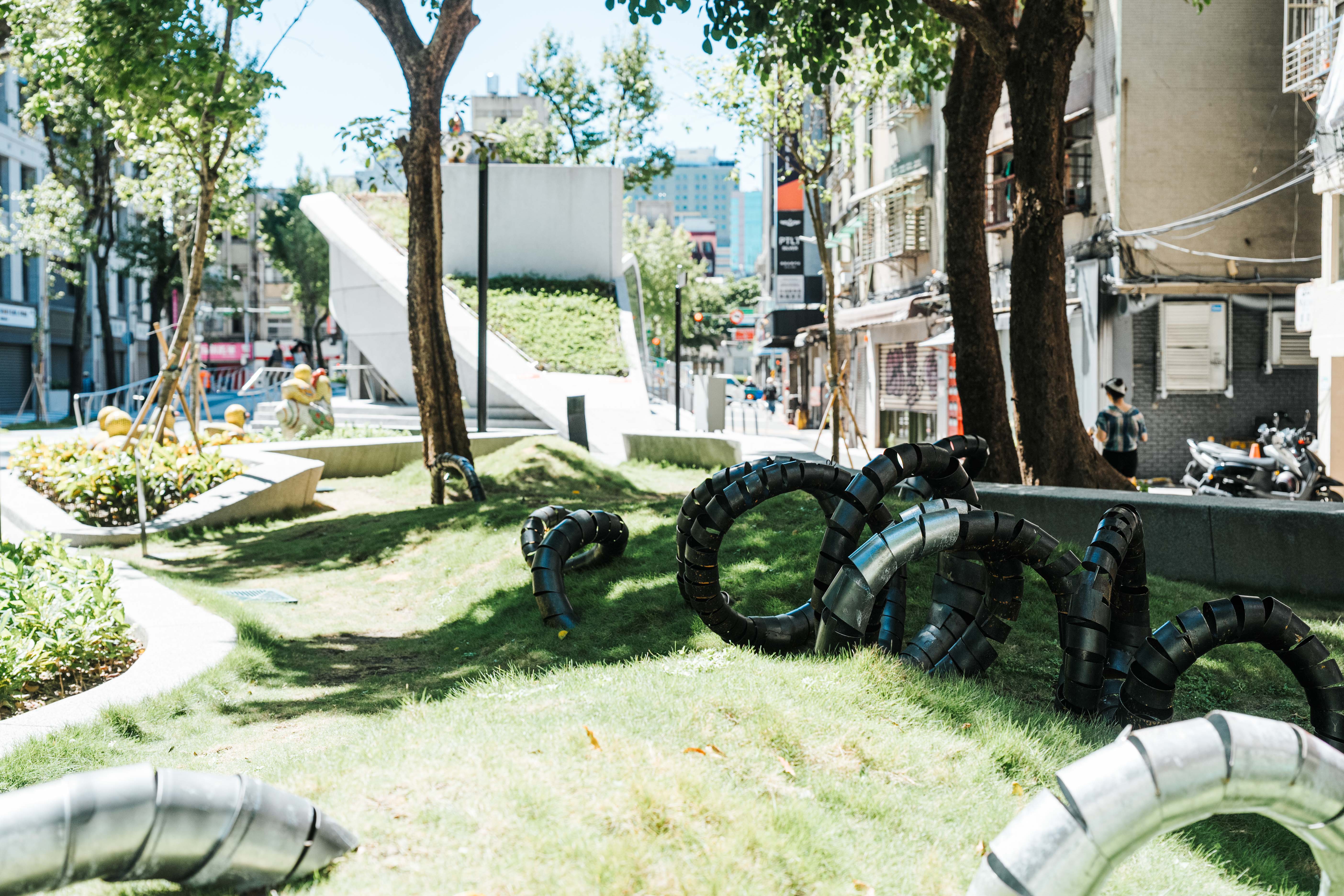
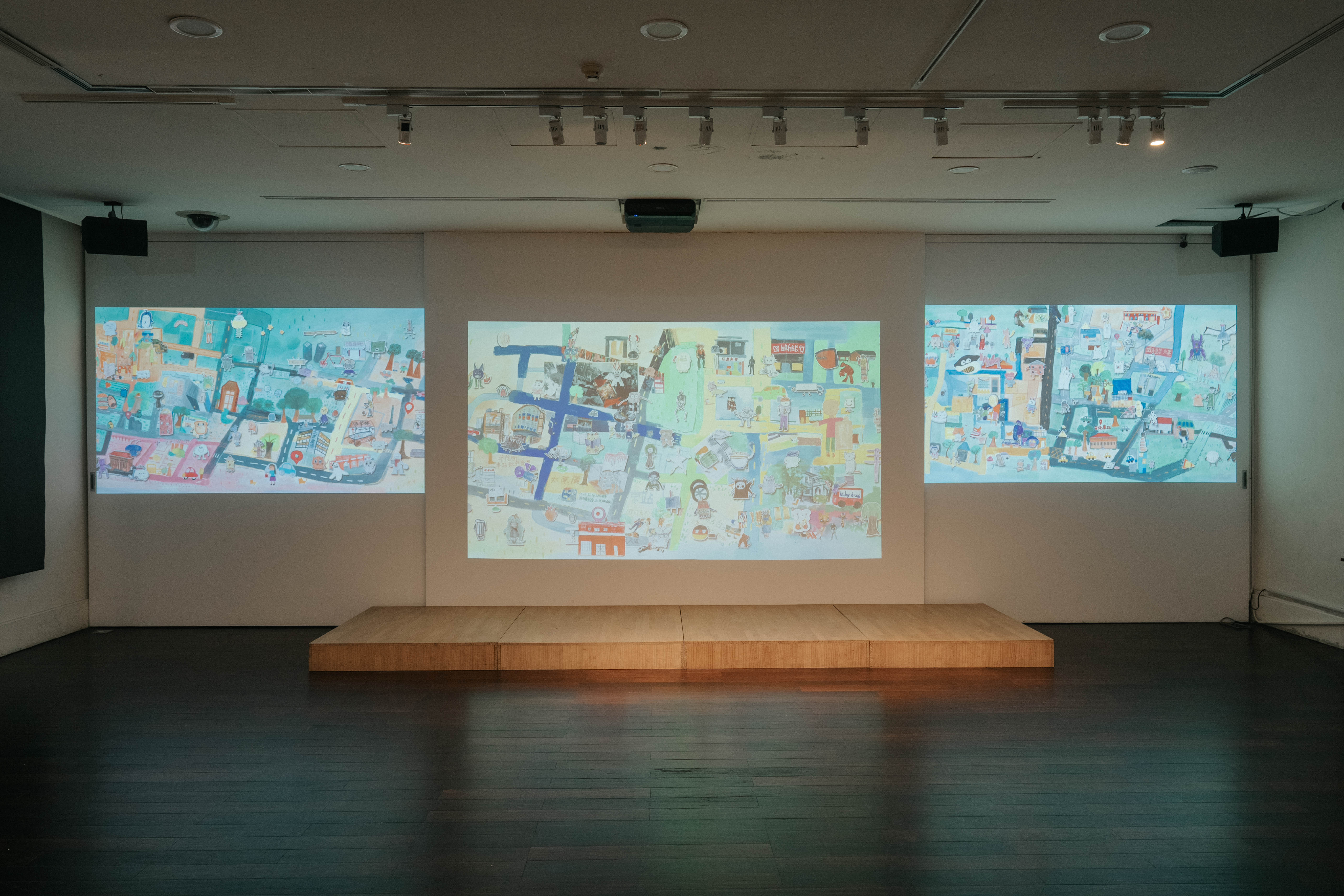
The scope of the collection storeroom opening for this project extends beyond the museum walls to include the historic Zhongshan Market, the bustling Zhongshan commercial district, and various distinctive shops surrounding the museum. The exhibition also incorporates a range of artistic interventions: Liu Chi-Fan and Liu Chi-Tung revisit the vendors at Zhongshan Market, using painting and recorded oral interviews to visualize and narrate the daily lives of market stall owners and visitors. Lee Pei-Yu collaborates with the New Athens Hair Salon to host a traditional barbershop workshop, offering participants a firsthand experience of the local lifestyle. Inspired by spirals and construction site markings, Shih Zih-Ting transforms leftover metal into sculptural forms that respond to both the area’s industrial past and its currently overlooked corners. Sun Chih-Hsing adopts a site-specific approach, using the TV wall at Shin Kong Mitsukoshi department store as a platform for videos designed for “zoning out” and “waiting,” turning what is typically “advertising” into “feature films.” Chen Shih-Yu, through guerrilla-style interviews and a publishing project, leads us to revisit the sites where past works were installed, taking inventory of street collection items. Drawn to the qualities of tourism, consumerism, and selfie culture in the commercial district, Kuo Pin-Chun creates a site-specific work at Royal Inn, transforming a guest room into a photography studio to offer a blessing and marketing gesture that “makes travelers feel at home.” The project also extends to PAR STORE, where viewing and collecting become one—when “taking a selfie” turns into the ultimate form of “collecting,” the streets themselves may well serve as both a gallery and a storeroom.
Building on the previous ideas, when curating is viewed as a way of redefining space, its goal is neither to bring about substantial changes to the space nor simply to claim more public area for artworks. Instead, it is through artistic practices of social engagement that we examine what sensitivities we believe should be developed. Ultimately, participants are encouraged to take what they need, creating a path that starts with the body’s senses, perceiving the neighborhood, and understanding the textures of the city.
This is an experiment in rethinking curatorial strategies. It allows the past and present of the urban district to be seen, while also demonstrating how curating itself has become a contemporary artistic event—one that attracts attention and encourages participation. In this way, the neighborhood’s memory does not simply fade away or passively wait to be rediscovered; instead, “collecting” becomes an active stance, a deliberate act that resists letting memory go with the wind.