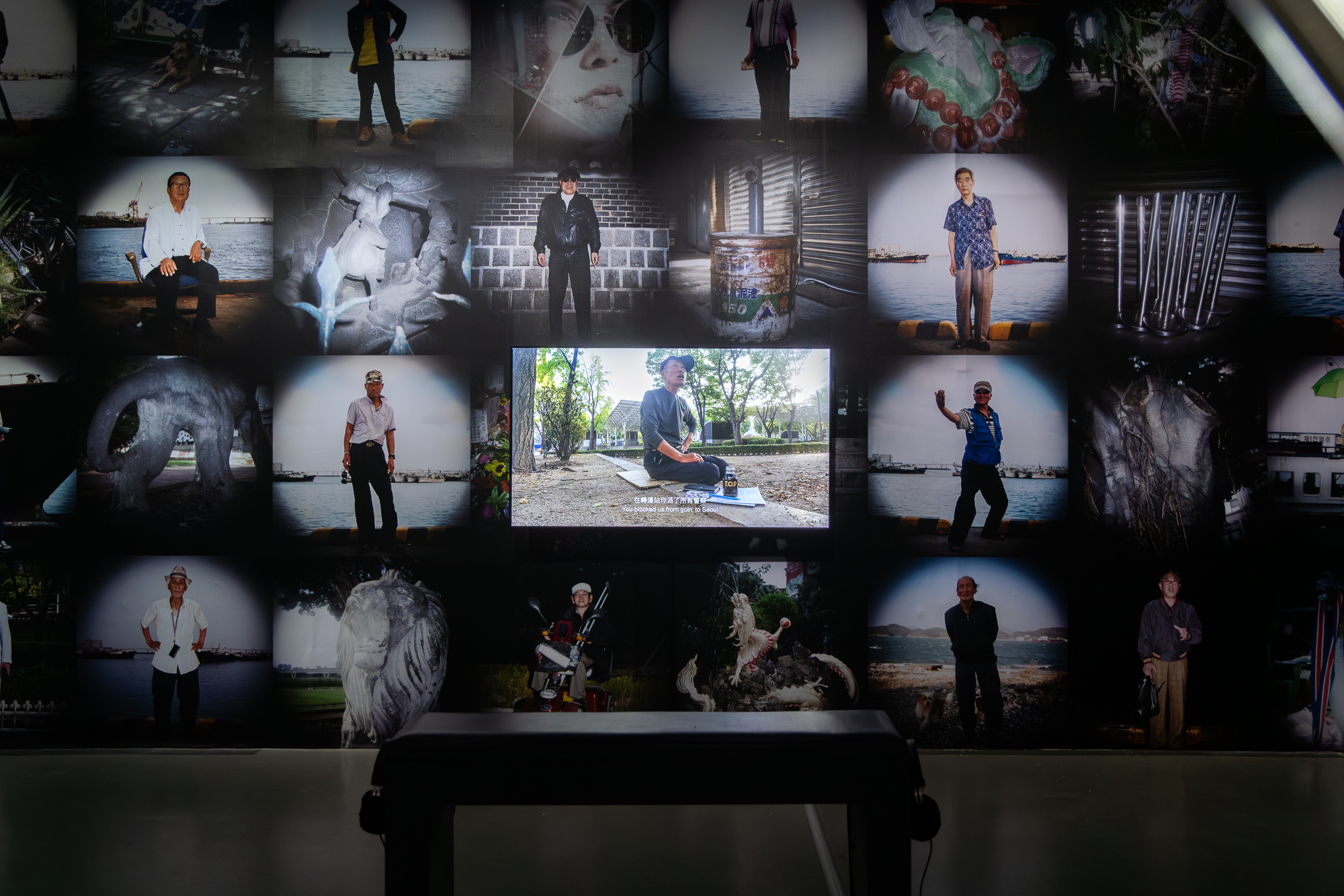
Hyeonjun Jung became aware of his own preconceived notions while studying photography. His practice begins with everyday conversations with close friends, family members, or people he encounters on the street, and continues by tracing and documenting their life stories through the medium of video. In 2021, as part of the public art project Seoul 25 Episodes, he organized and hosted a Baduk (Go) tournament for older adults at Jongmyo Park in Jongno, Seoul. This experience became the starting point for the continued development of his artistic practice. In recent years, his work has been presented in N ARTIST 2023: Slow Dance at Gyeongnam Art Museum (2023) and Equity: Peaceful Strain at the Gwangju Biennale Pavilion (2024).
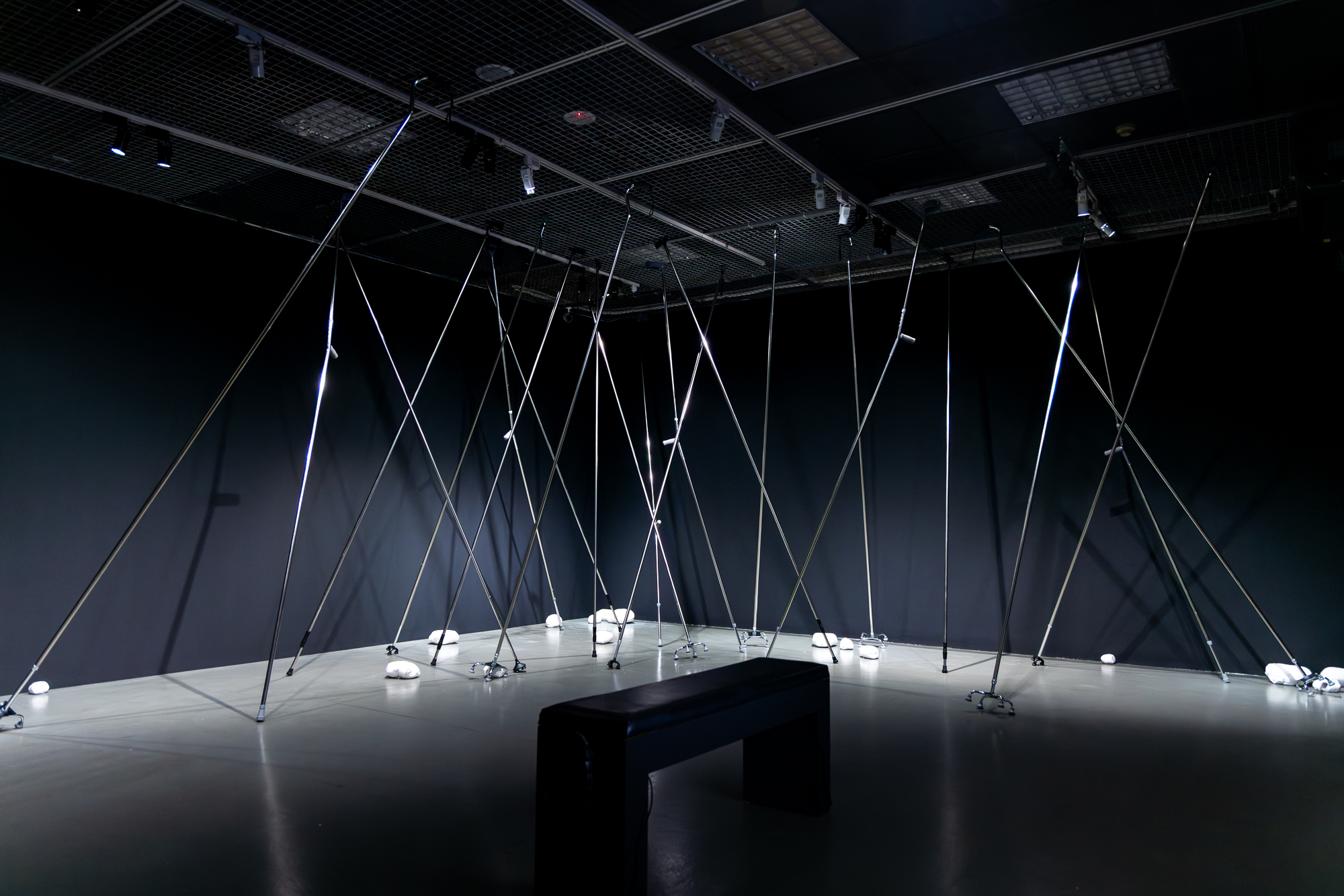
Doki Kim is an installation artist who explores the conditions of sensation and perception through heat, light, pixels, and transformations in the state of matter. Using materials such as paraffin wax, metal, heaters, and LED displays, she creates moments in which invisible energy becomes perceptible through the body and material. In her heat-based works, touch, warmth, and material transformation reveal traces of relation and existence. In her pixel-based works, she dismantles and reconstructs images, examining the instability of the ways in which we perceive the world.
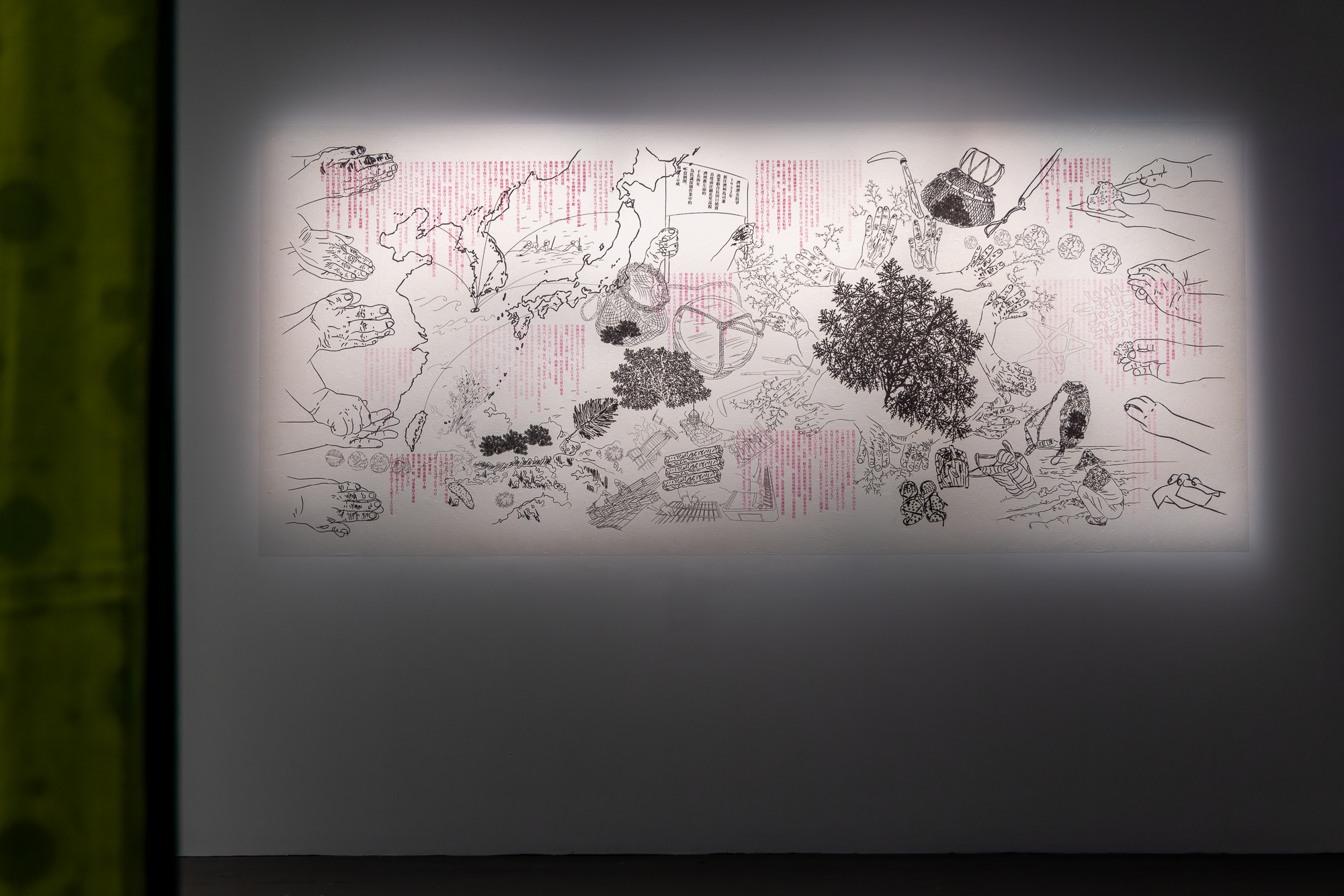
Kuo Yu-Ping’s practice spans painting, video, installation, performance, and writing, with a sustained focus on the ruptures and traumas between personal life experiences and historical structures. Often beginning from close observation and relational encounters, her works construct enveloping, immersive spaces that capture subtle and ineffable undertones in everyday life. Her recent projects have addressed issues such as identity within transnational mobility, the (ir)replaceability of caregiving as commodified labor, and the overlooked feminine voices within history.
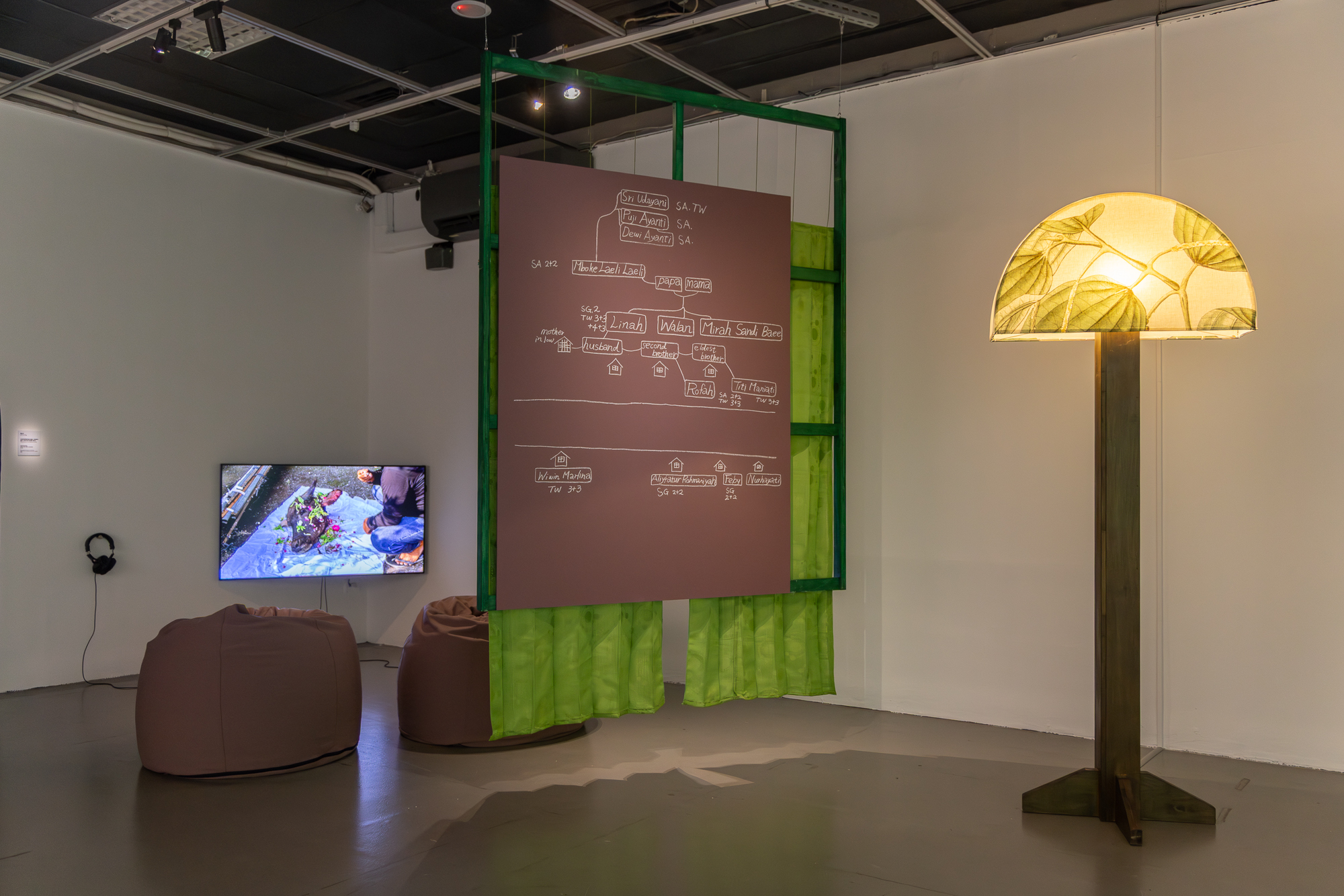
Hyemin Son is a visual artist based in Busan, Korea and a member of Rice Brewing Sisters Club, which she co-founded in 2018. Her practice focuses on the collectivity inherent in the process of fermentation, approaching it as a practical engagement with organic materials and drawing inspiration from the ecological economic communities such as Haenyeo (sea women divers). She often employs fermentation as a metaphor for material transformation, exploring how materials and relationships between the human and the more-than-human can be reconfigured to foster alternative forms of participation and collaboration. In recent years, as part of the collective, she has participated in exhibitions including the Hawai’i Triennale, the National Museum of Modern and Contemporary Art (MMCA), Seoul, and the Kaohsiung Museum of Fine Arts.
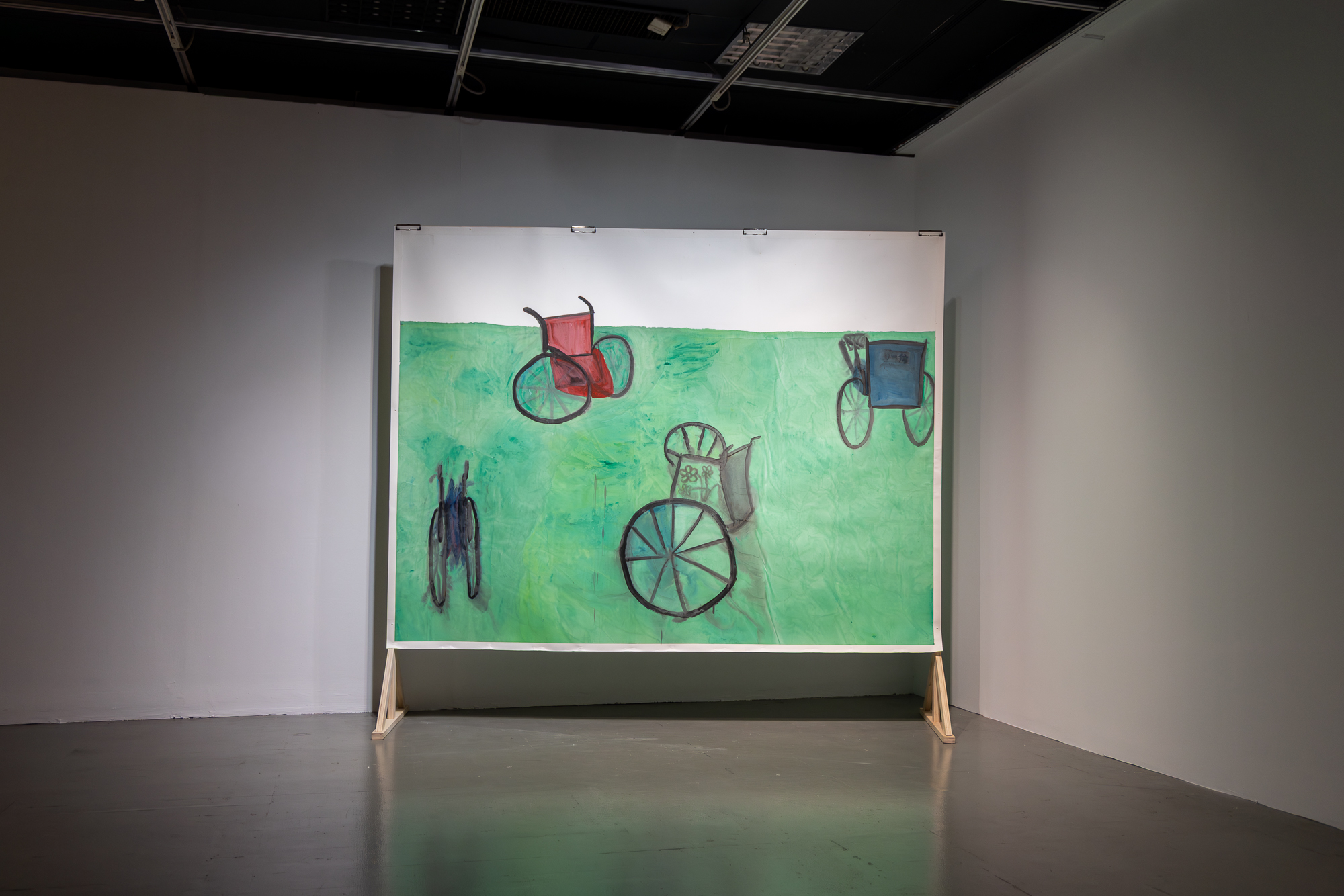
Chiu Wei-Hsiang was born in 1997 in Dayuan, Taoyuan. He graduated from the Department of Painting and Calligraphy Arts at National Taiwan University of Arts and is currently based in Taipei. Using paper and canvas as his media, Chiu breaks away from the rigorous training in academic calligraphy and painting to capture fleeting moments when people, objects, and spaces intertwine through a playful, childlike perspective. He primarily makes art at night, channeling the exhaustion of a day’s labor into his brushstrokes, transforming painting into a daily ritual to document life and express emotions. The themes of his works revolve around the spatial changes brought about by land expropriation and demolition. Drawing on childhood memories, he renders scenes that are gradually shifting from tangible to blurry outlines, transforming the “earthiness” left behind by departed loved ones into a visual language that is both authentic and richly emotional.
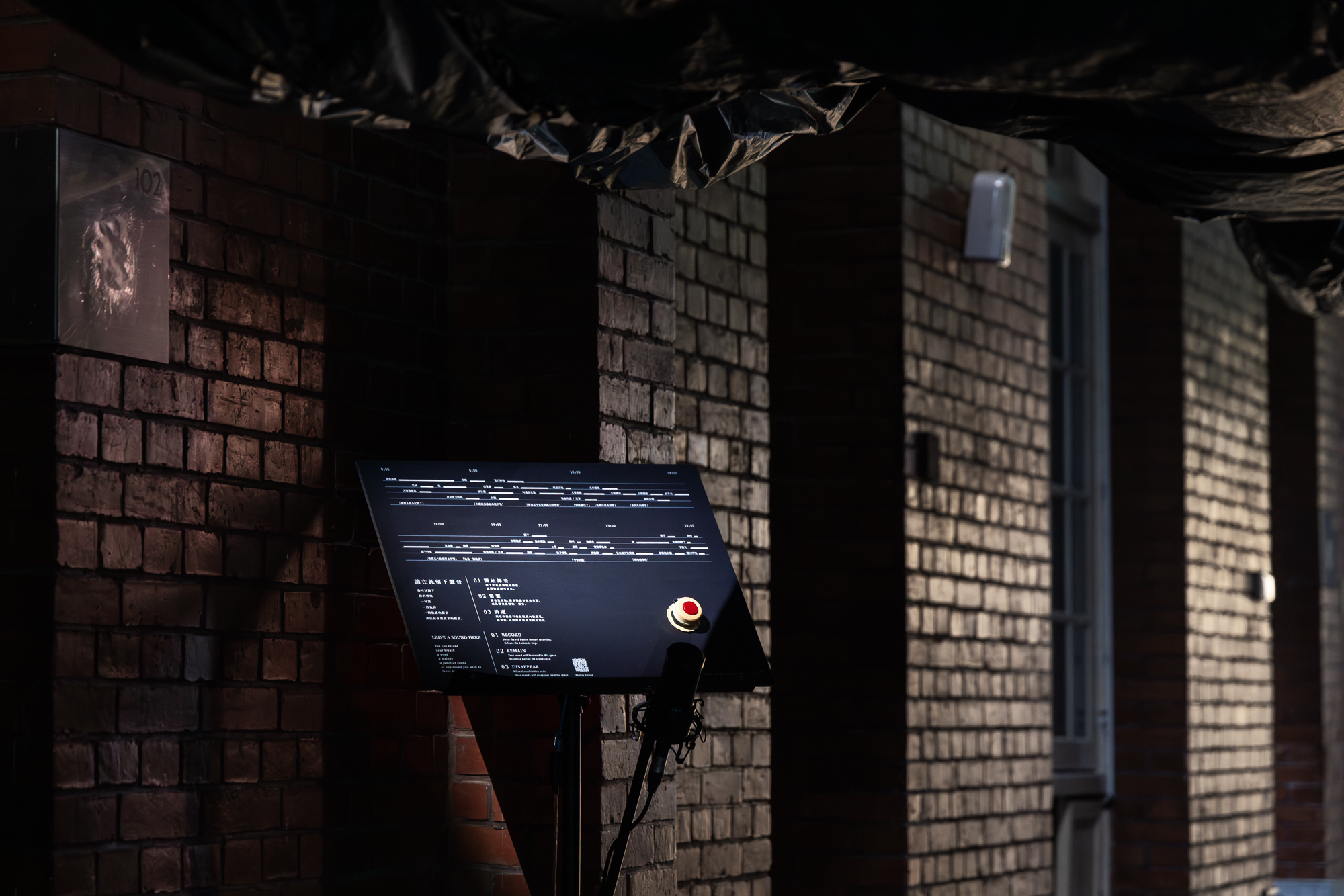
Wan-Chien Cheng, a native of Pingtung currently based in Taipei, holds a Master’s degree in Sound Arts from the University of the Arts London. Having received classical music training from a young age, she began exploring the various phenomena of listening out of a fascination with the fleeting nature of sound. Specializing in reshaping listeners’ perceptions of sound through combinations of field recordings, sound installations composed of objects, and electronically synthesized sounds, in recent years, she has focused primarily on improvisational performances and sound arts, exploring themes that focus on the elderly, social affairs, cultural observations, memories, and the perceptual nature of sound. Cheng currently serves as a director and sound artist for the project, Aged-Soul.