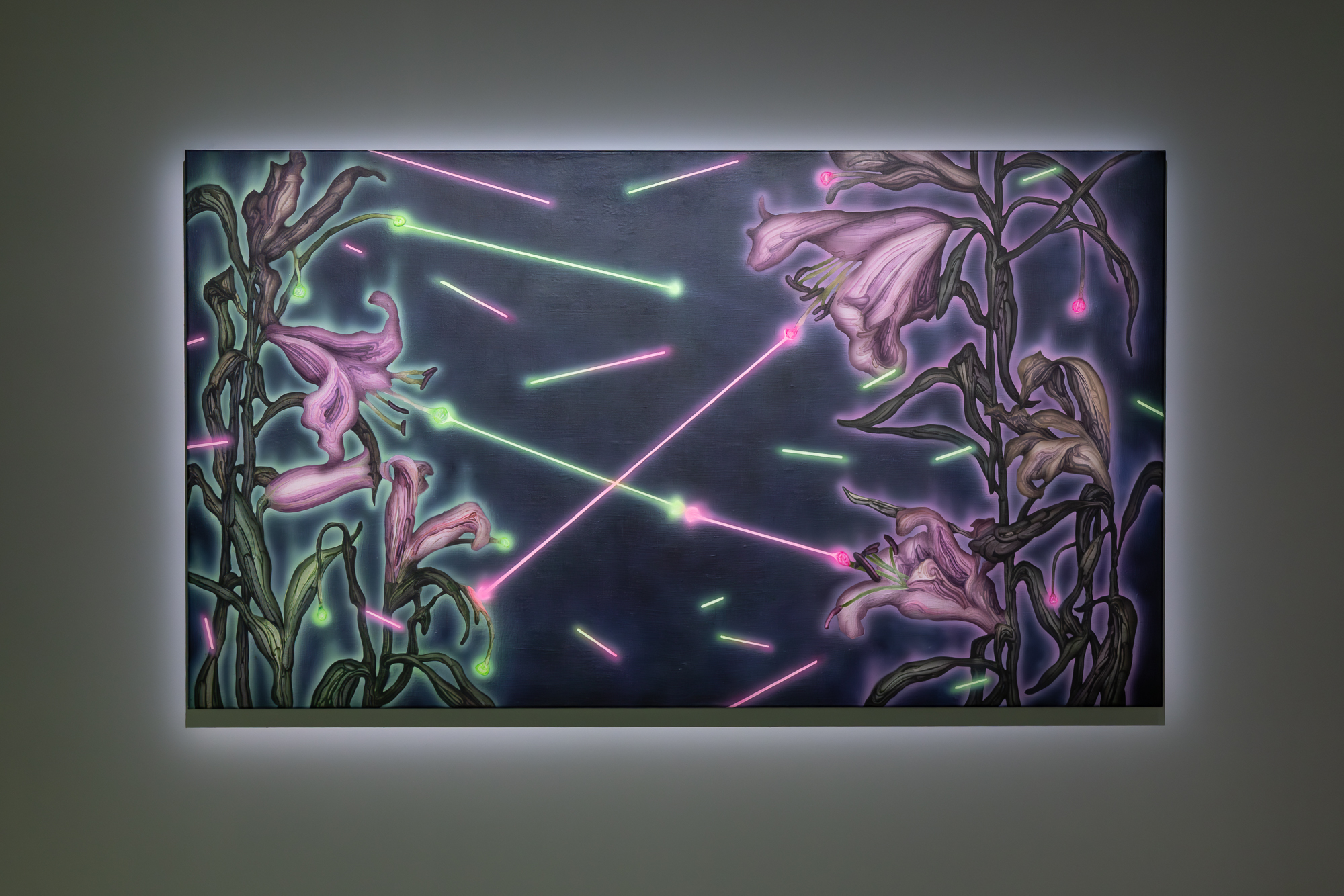
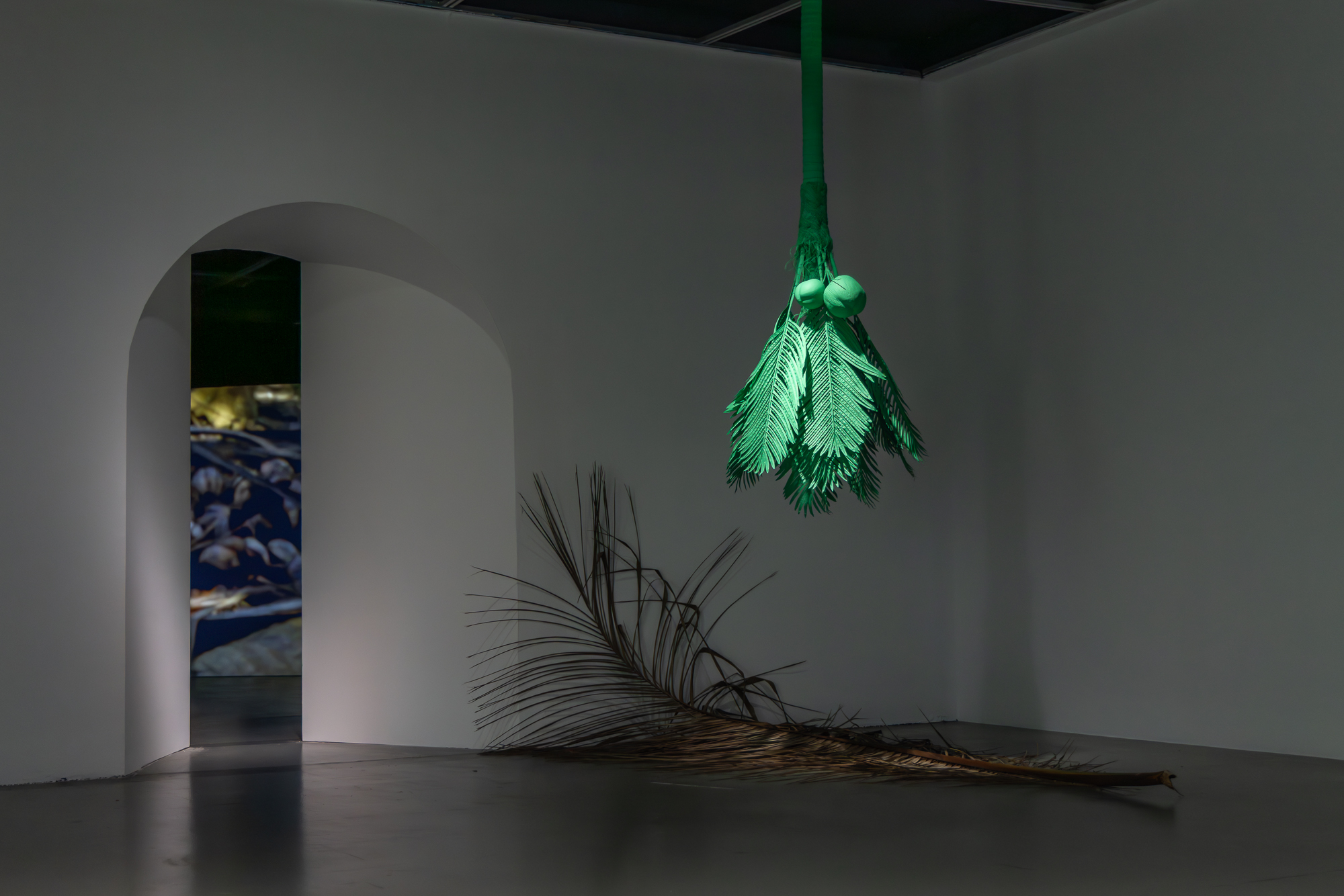
The experience of leaving home and living elsewhere draws attention to forms of life that cross borders and take root in unfamiliar lands. Often regarded as “the other,” they have long since become part of their environments. As national borders become increasingly rigid and movement more restricted, plants continue to exceed these human-made divisions. They grow in the cracks, take root in unnamed places, and prompt a question: as life remains in constant motion, how do we determine what belongs to a place and what is considered foreign to it?
The migration of plants has long been intertwined with human history. Familiar species such as tea spread through networks of trade and colonization, gradually becoming embedded in everyday life and collective memory. We often understand plants through categories such as “native” and “introduced,” “useful” and “invasive.” Yet these distinctions are far less fixed than they appear. In Braiding Sweetgrass, Robin Wall Kimmerer proposes the idea of “plant nations,” reminding us that plants are living beings with their own rhythms, forms of intelligence, and ways of relating to the world, rather than mere resources for human use.
Extending this perspective, plant growth can be understood as a form of agency. Rather than following predetermined orders, it unfolds through borders, margins, and cracks, continually generating its own pathways. Such a condition evokes the protest movements that have emerged in Asian cities in recent years. Like a form of botanical guerrilla action, these movements take root beyond the boundaries of official planning and control. Refusing complete erasure, they persist and proliferate quietly, extending through the urban fabric much like underground rhizomes.
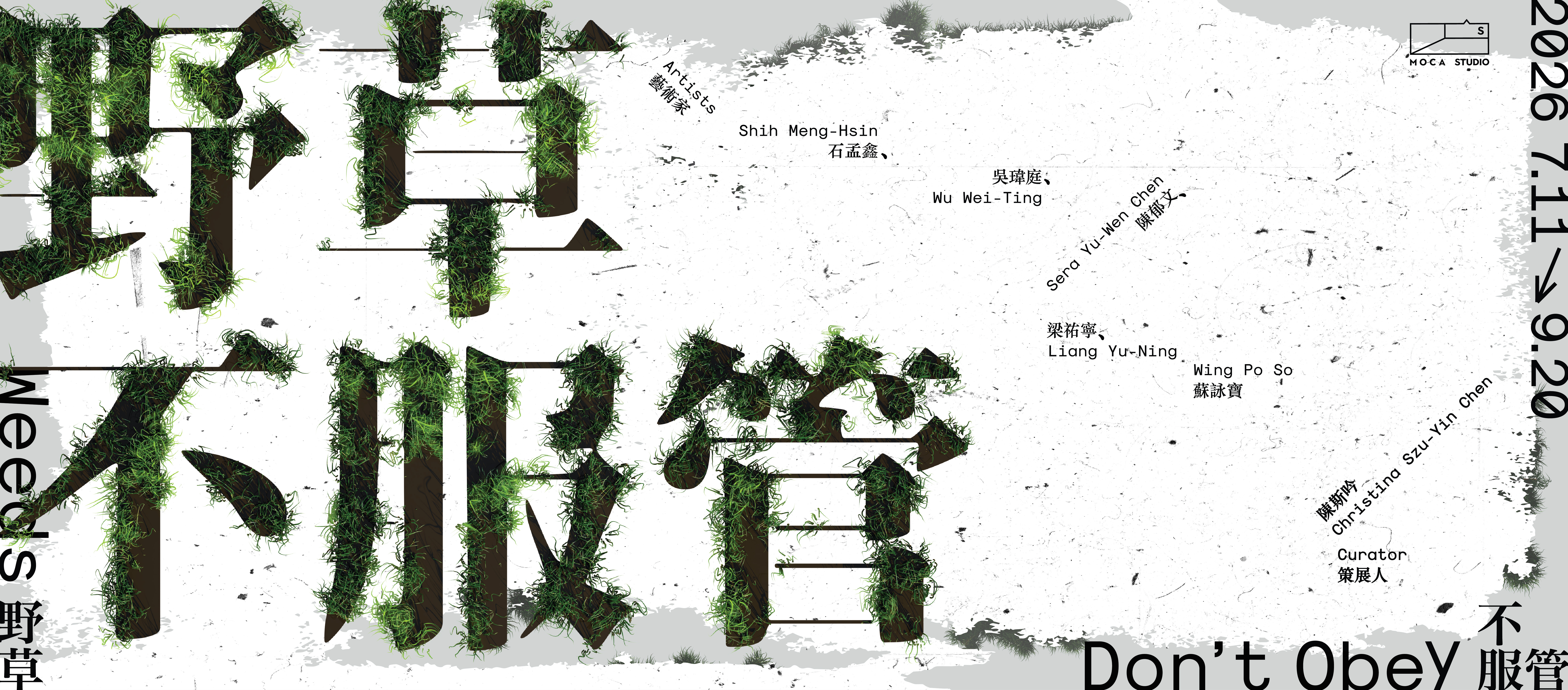
Weeds Don’t Obey seeks to respond to this contemporary condition. As borders become increasingly fortified, life does not necessarily answer with grand gestures, but through subtle, dispersed, and persistent forms of emergence. Plants have never been obedient. They move across borders, infiltrate landscapes, and unsettle established orders according to their own rhythms. In corners not yet named, they quietly take root and proliferate, writing histories that resist control—histories of weeds, of margins, and of freedom.