Since ancient times, the human spiritual world has evolved alongside advances in imaging technology. A thousand years ago, religious icons served as gateways for connecting with deities. The use of perspective drawing immersed viewers in mythological scenes. Photography froze a secular moment, sparking an interest in death and the underworld. Moving images—film—marked the first technological means of producing dreams, constructing one escape after another. Digital image processing, as exemplified by the work of Camille Henrot, and characterized by postmodern practices of editing and collage, has deconstructed linear narratives, challenged the notion of absolute truth, and facilitated diverse forms of personal spiritual exploration. Today, emerging imaging technologies—such as the use of “layers” in image-editing software, the generation of “skins” through 3D modeling, and the fluid transformation of pixels in AI-generated video, as seen in the work of Kevin Abosch—are structured through processes of image stacking, overwriting, modulation and recombination. Such processes point to a broader epistemic shift in how a new generation understands the world: not as a purely material realm, but as one constituted through an aesthetic membrane of perception and interpretation. Everything we see, hear, smell, taste, touch, and conceive is mediated by a fluid and encompassing layer of sensation, memory, and symbolism. As the Diamond Sutra may—or may not—have said: “The world is not the world; therefore, it is called the world.”
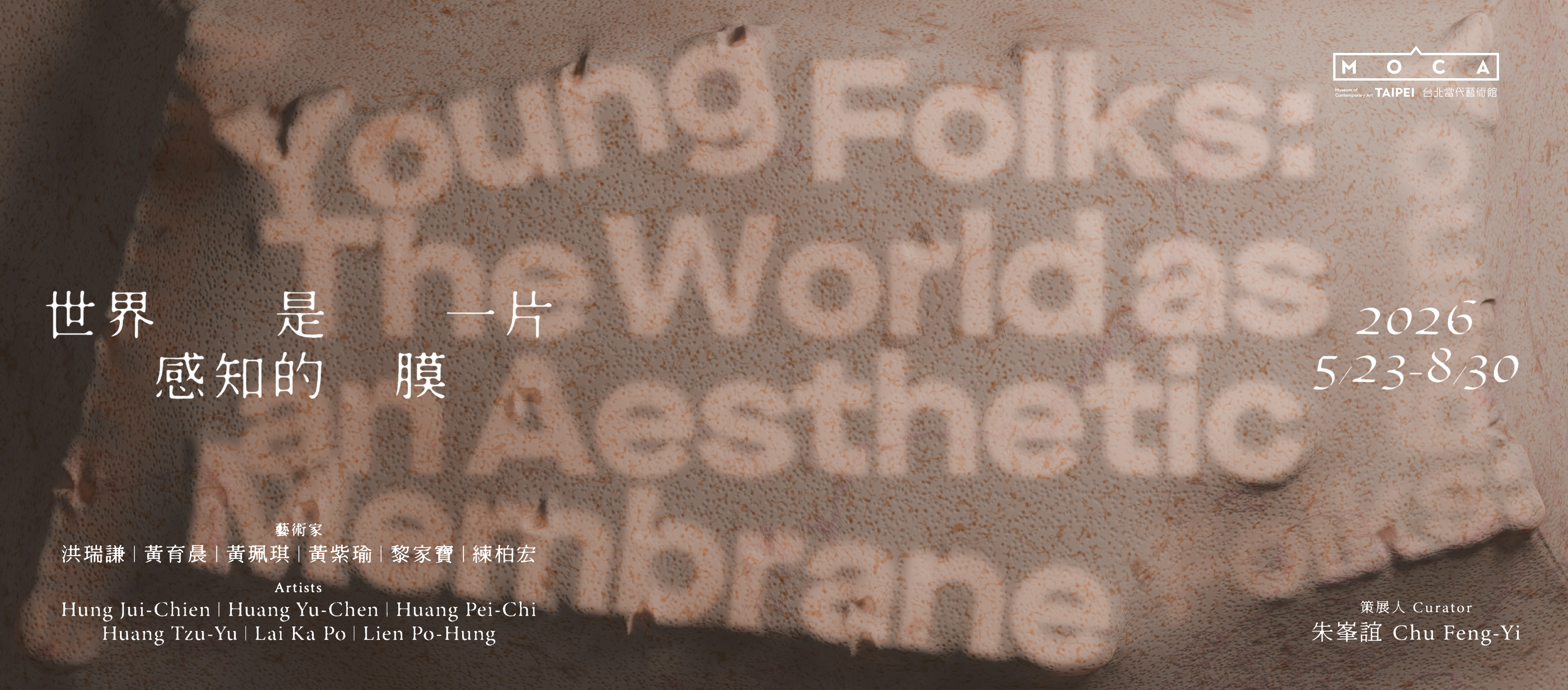
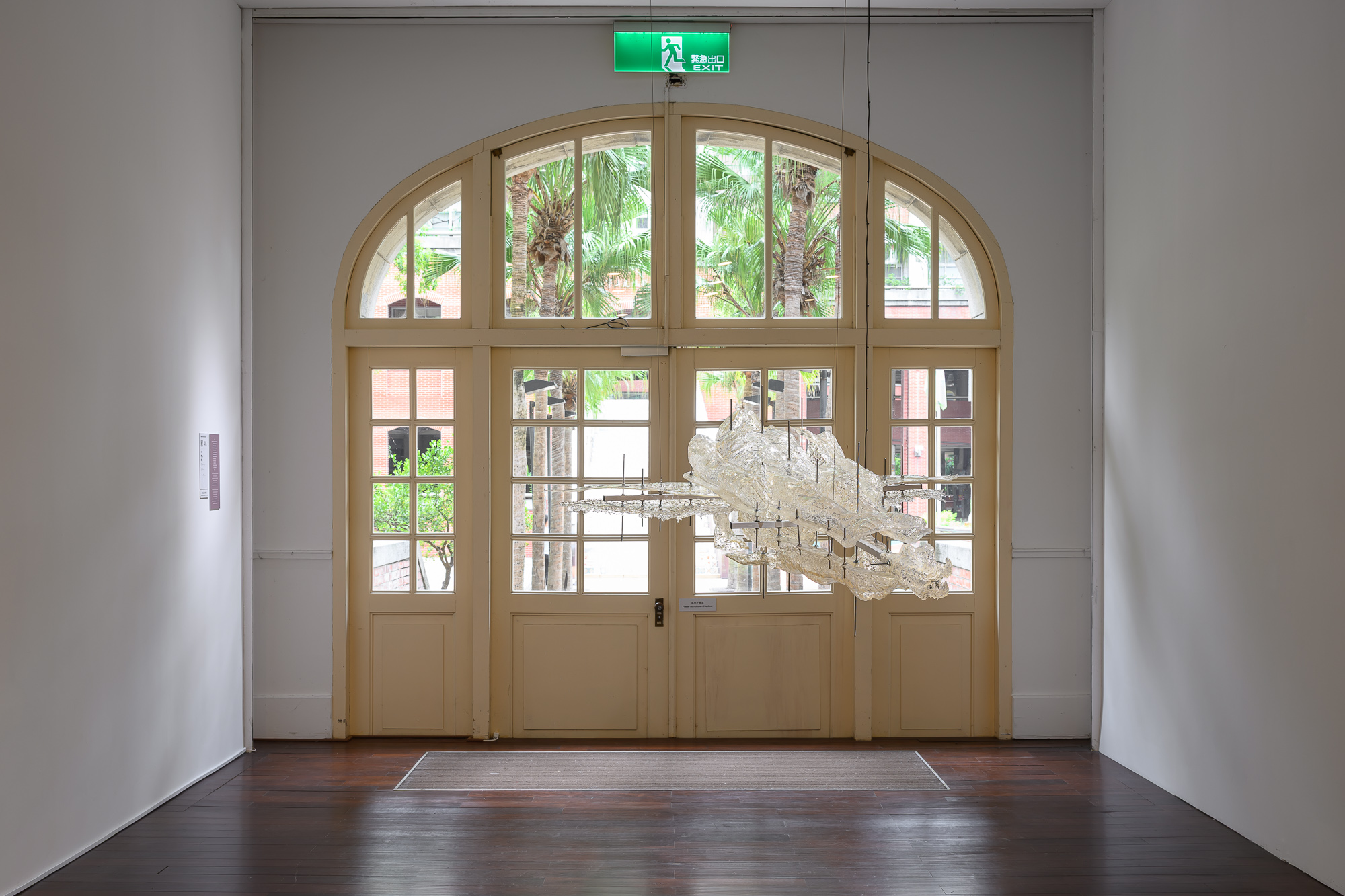
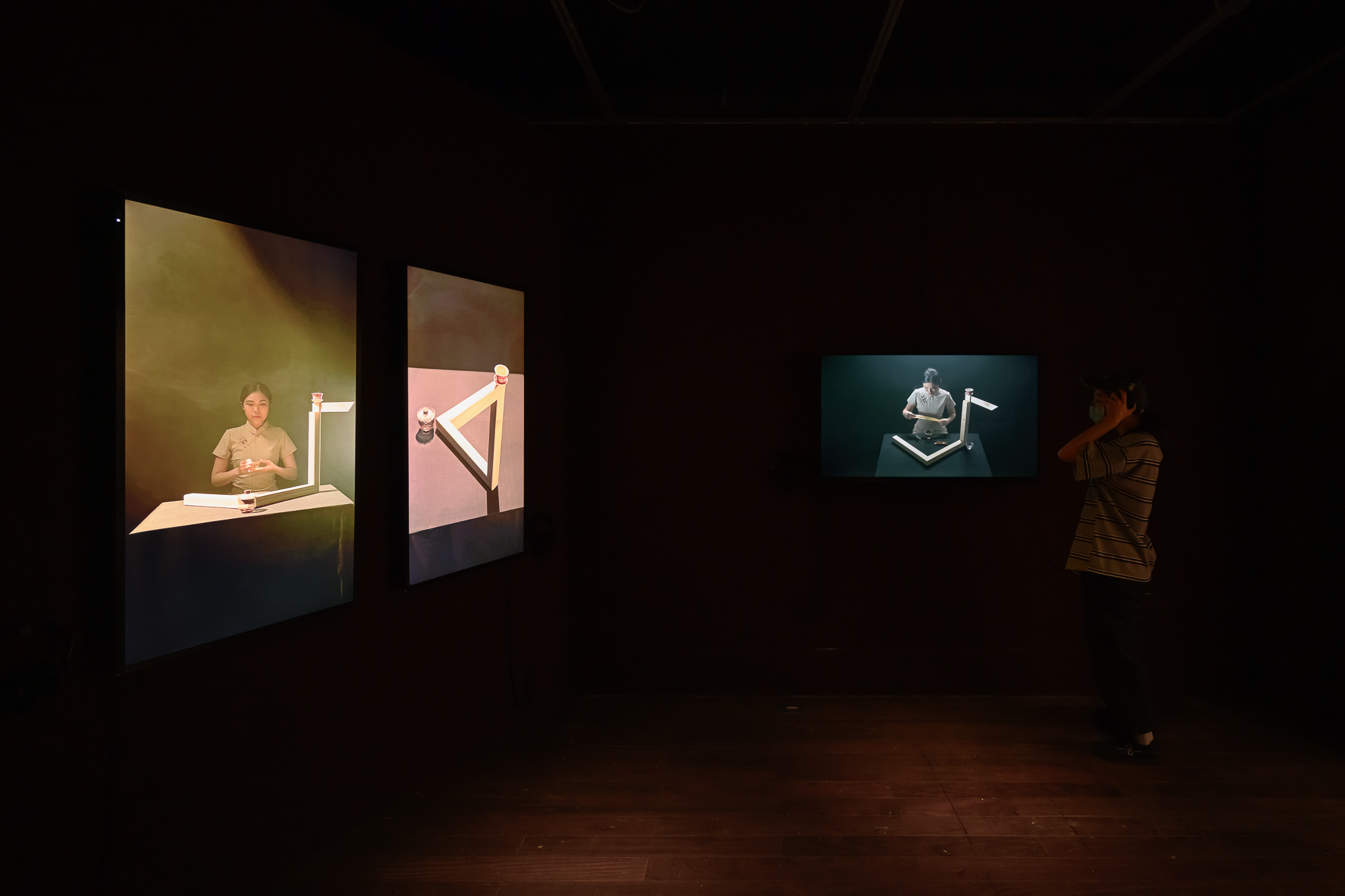
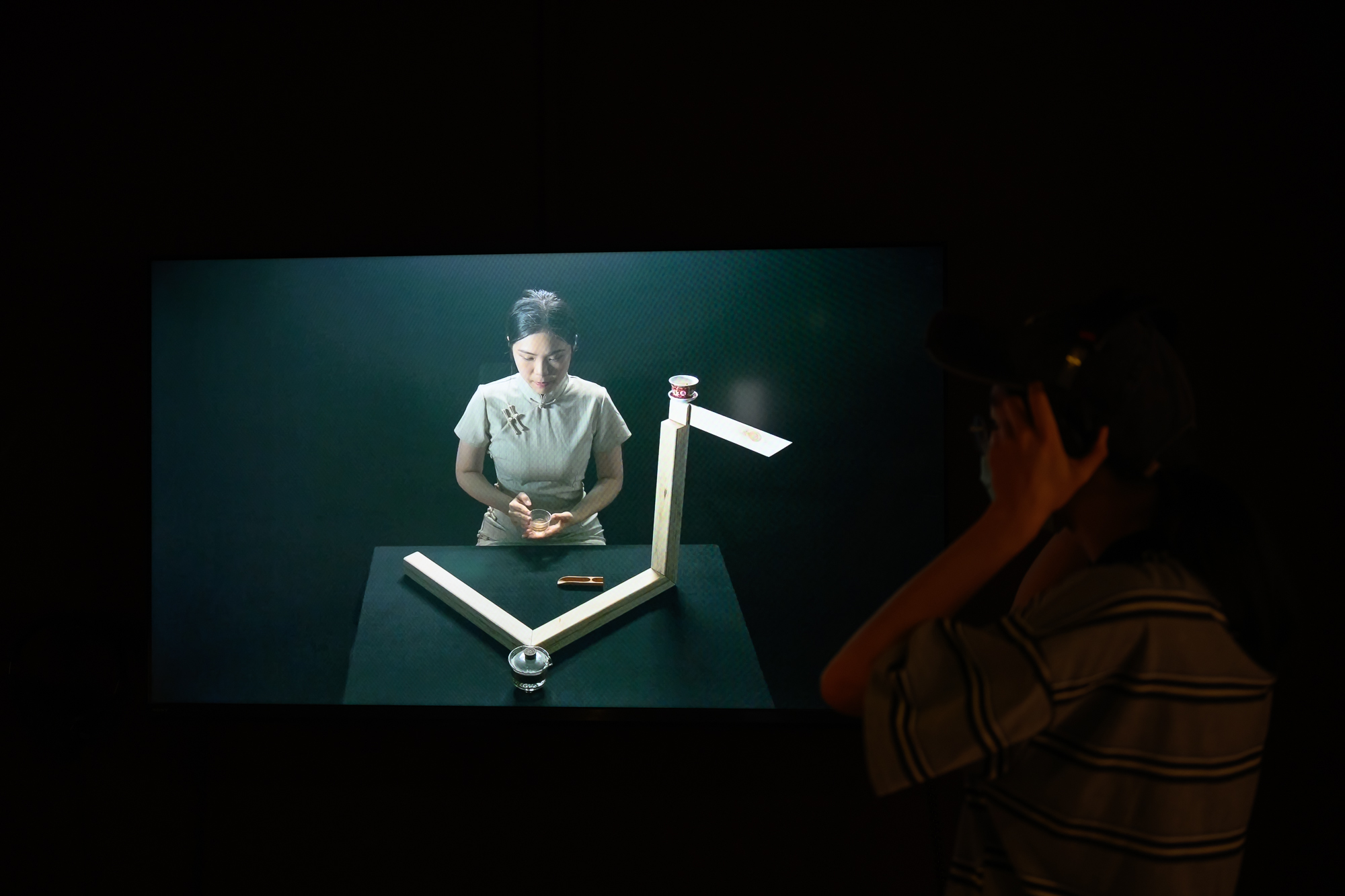
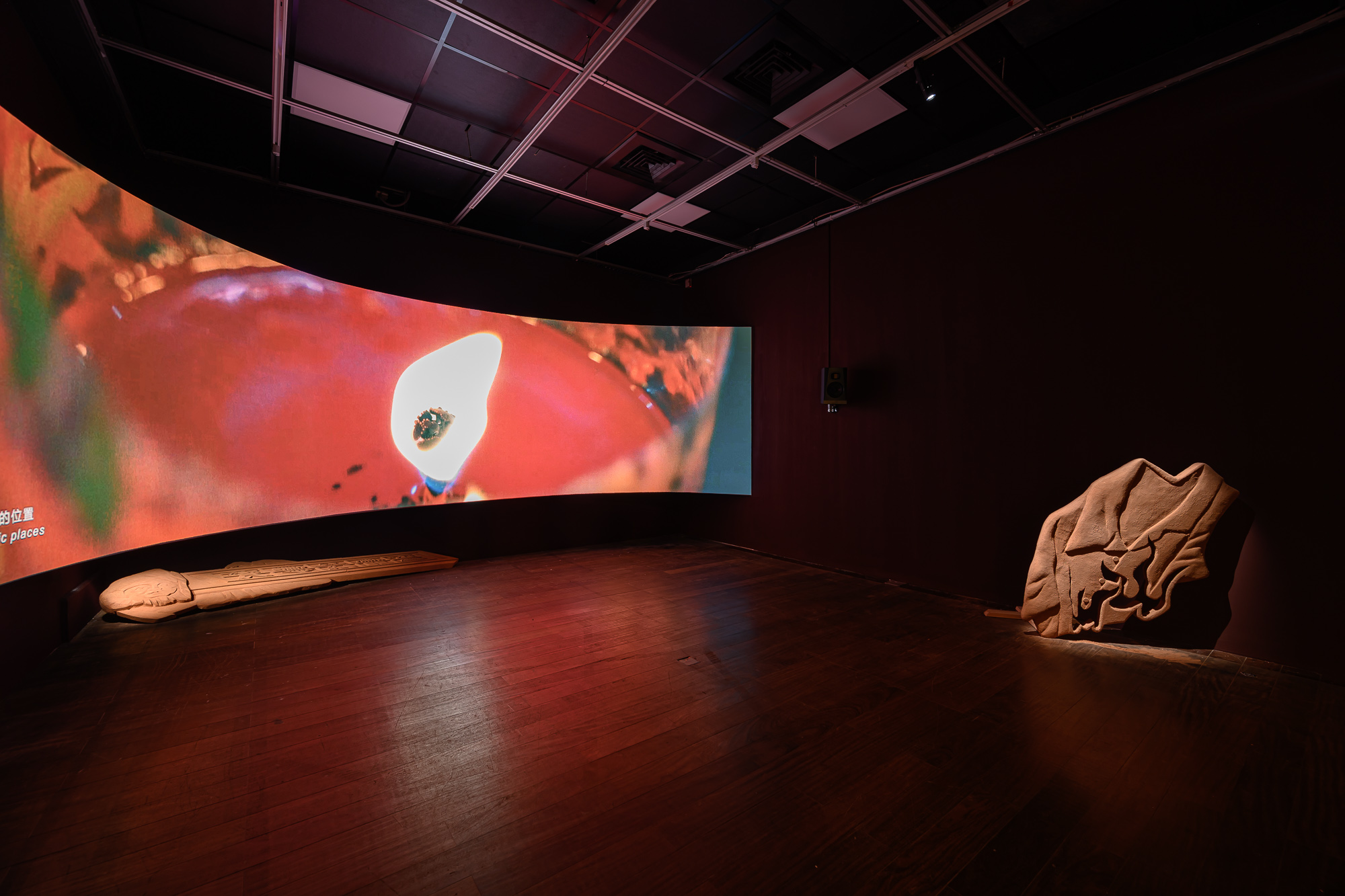
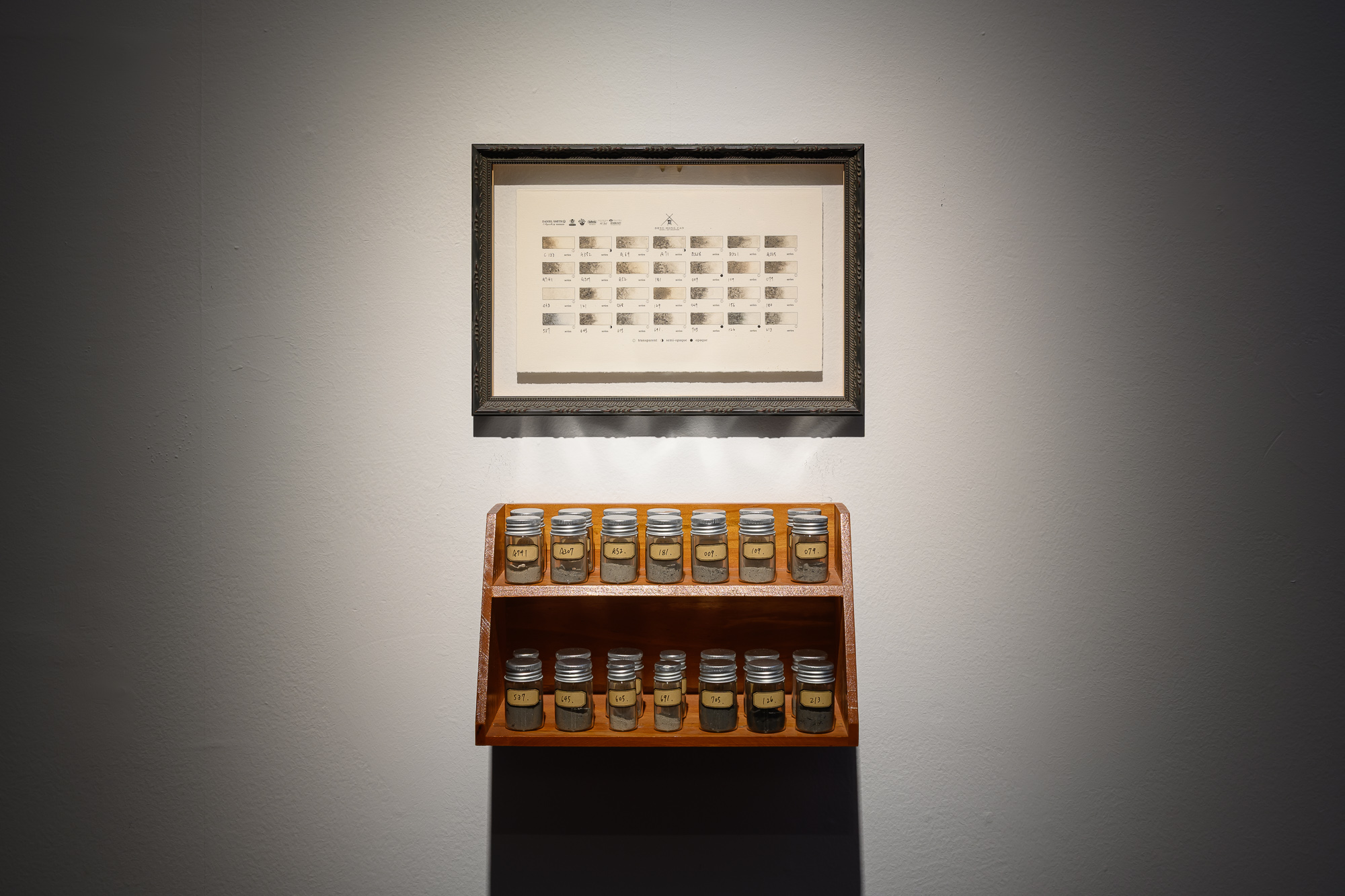
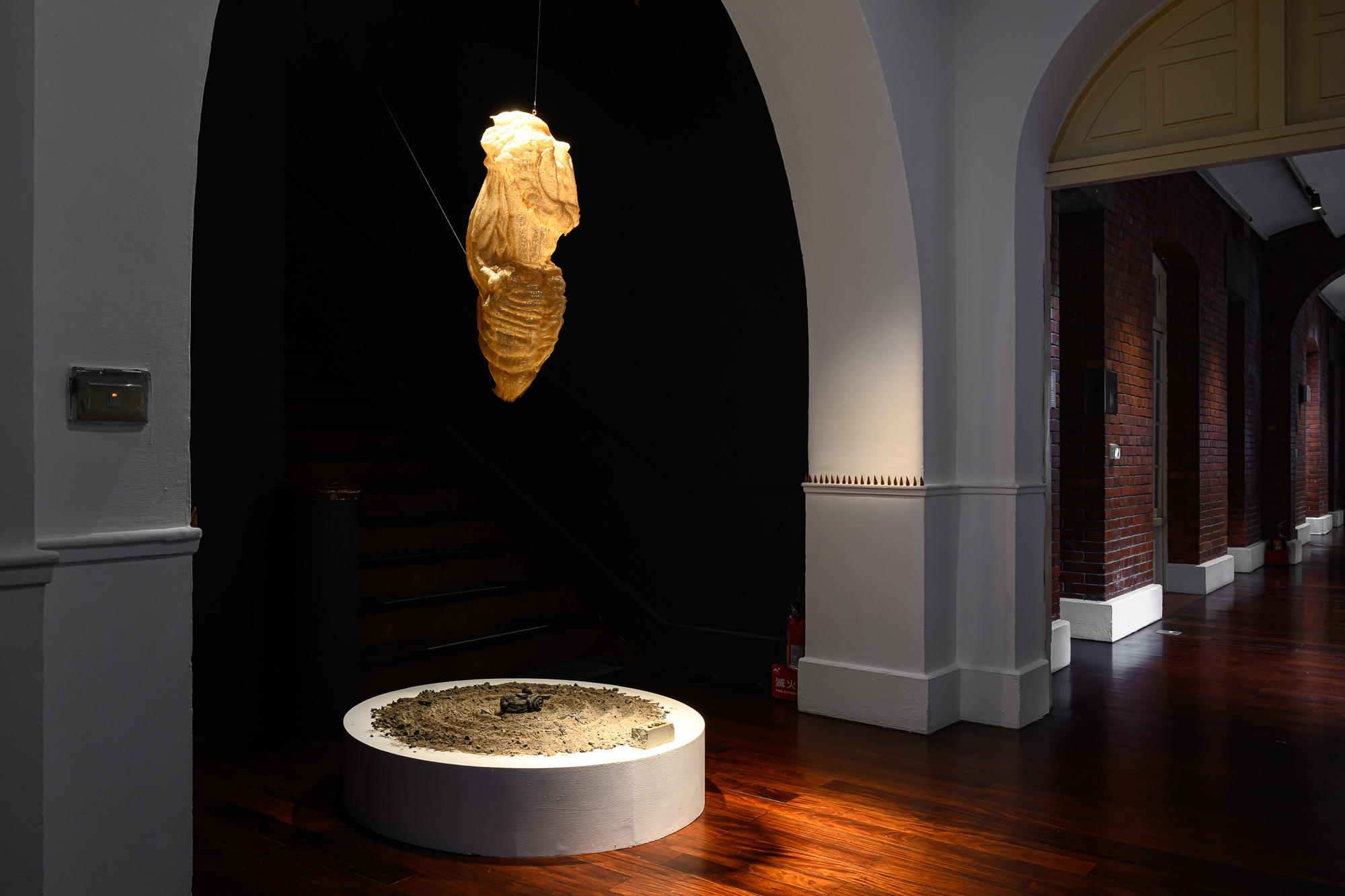
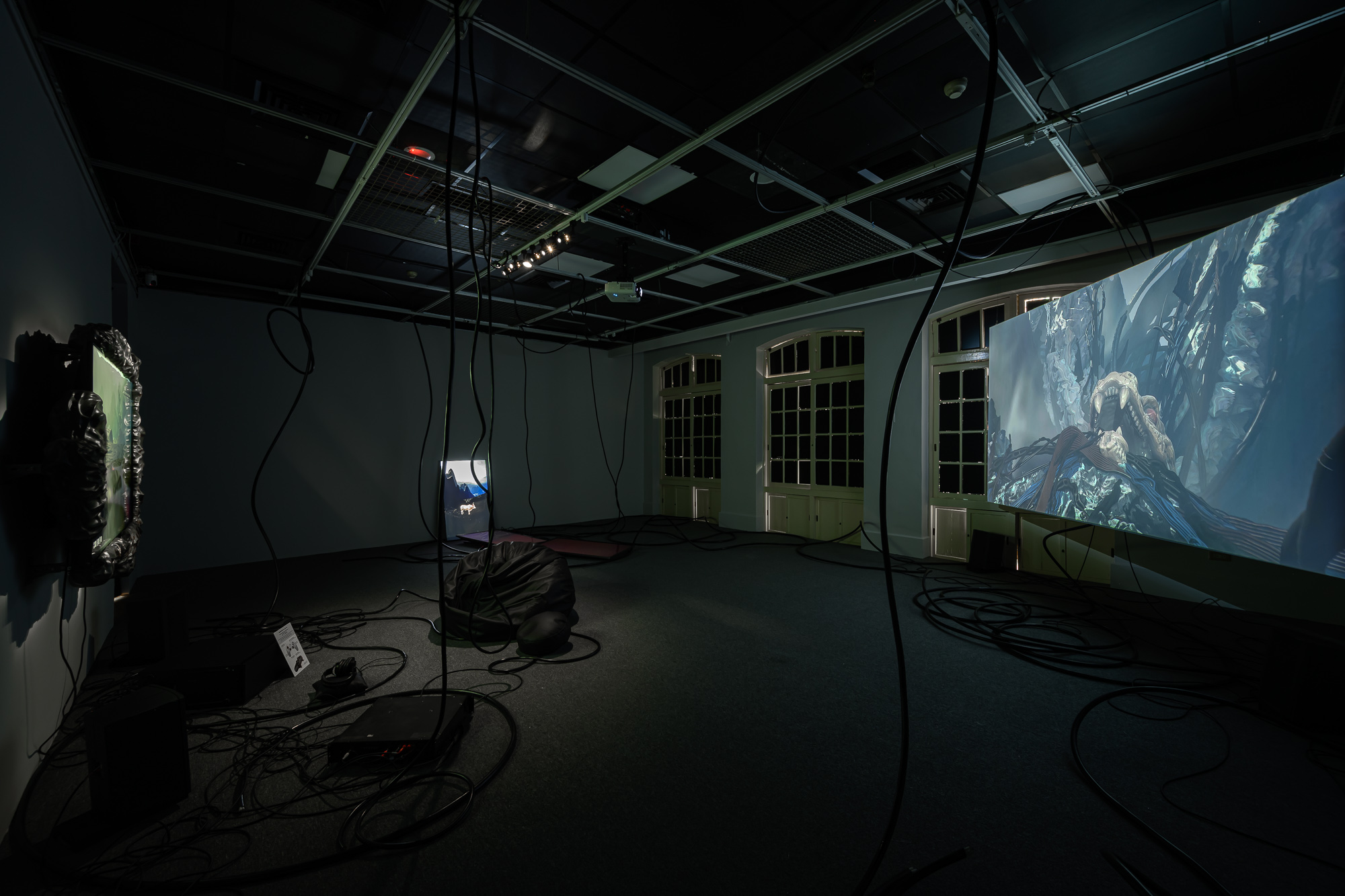
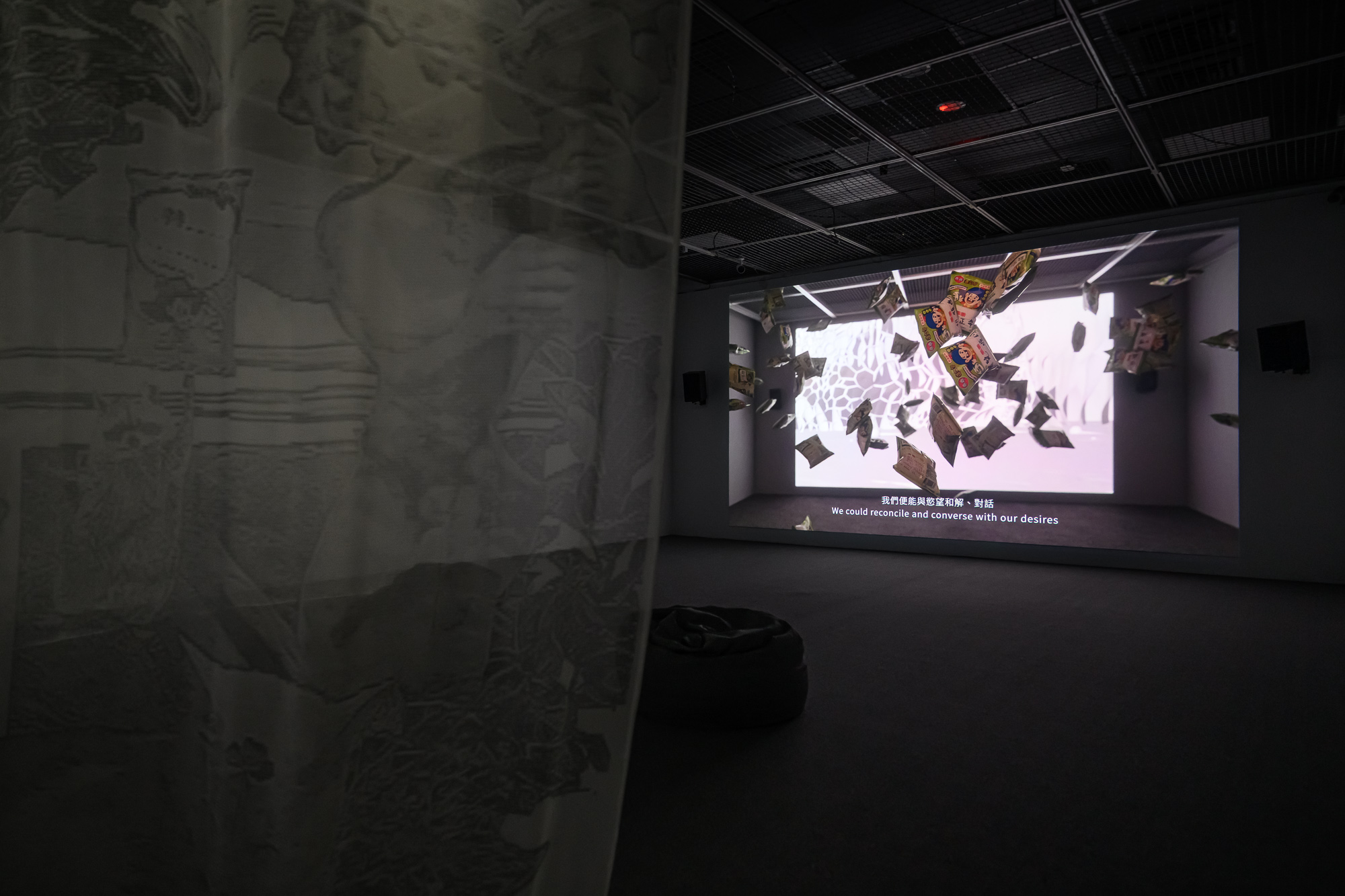
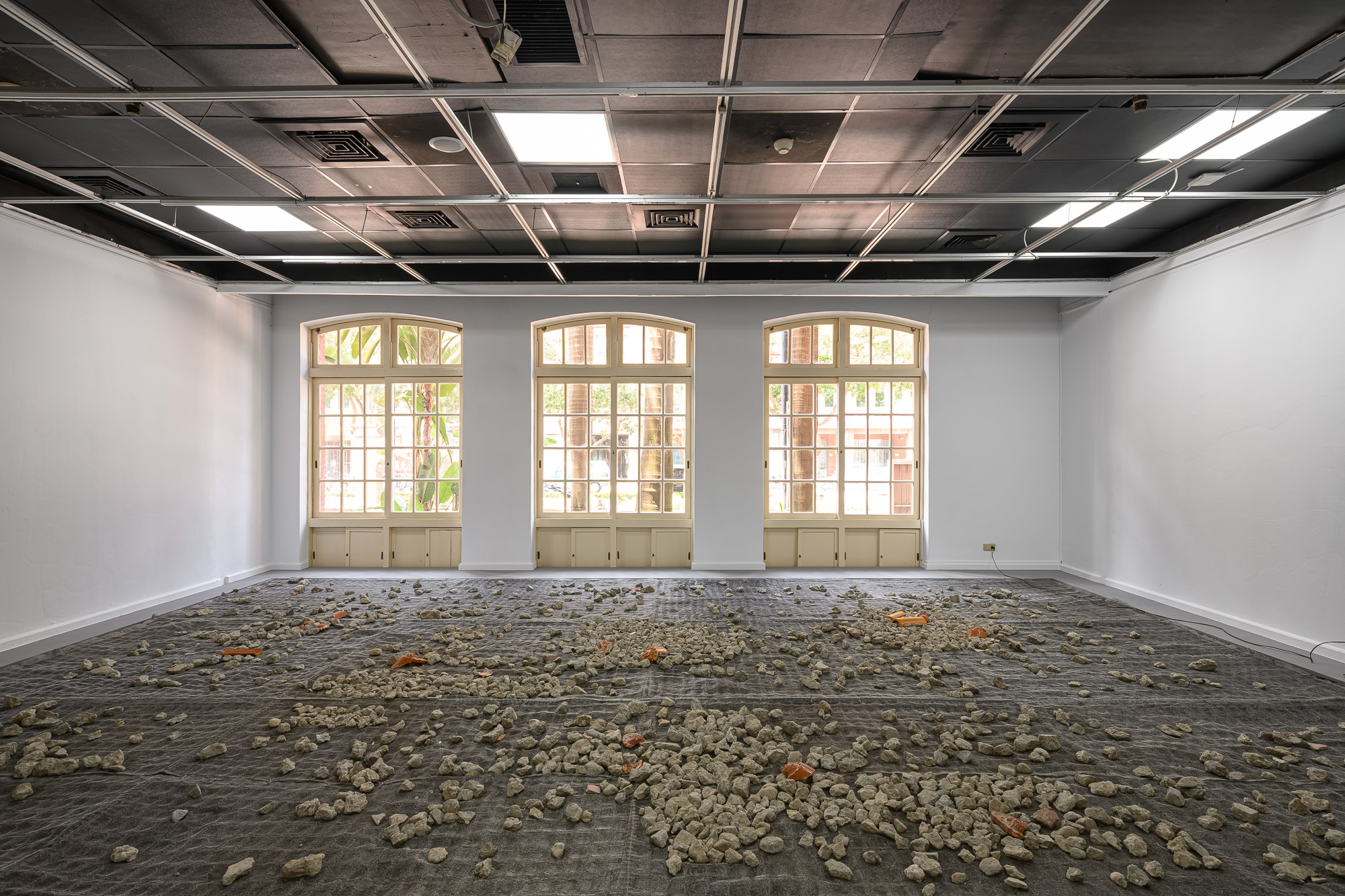
Beginning with six short poems, Young Folks: The World as an Aesthetic Membrane brings together six emerging contemporary artists from Taiwan, whose practices engage diverse forms and media to explore the possible relations between the material and the spiritual. Hung Jui-Chien works with resin casting. His work Messenger, emerging from a meditative state, uses layered materials to articulate the human as a site where biological and spiritual dimensions intersect. Chrysalis Shrine by contrast, reassembles discarded environmental debris through mold-casting, addressing the affective and perceptual frameworks through which humans relate to objects, life, death, and what remains. Lai Ka Po’s video installations, Sanctities and Trio, draw on tea-offering rituals and the symbolism of the Penrose triangle to articulate the interdependent yet irreducible relations among the human, the divine, and the worldly. Huang Yu-Chen’s The Invisible House mobilizes the concept of the “Yuan-Chen Palace” from Taiwanese folk religion, seeking to destabilize the binary opposition between the physical and the spiritual, and to open a deeper horizon of inner imagination. In Huang Tzu-Yu’s N.A.G.H.A., the mythical creature “Naga” is figured as the immense computational power and accelerated flows of information that define contemporary technology. Yet its shed, venomous skin takes the form of discarded hardware and remnants of electrical wiring, suggesting that the “membrane” of technological development obscures the environmental damage it produces. Lien Po-Hung’s video work Cornucopia examines the affinity between 3D modeling in digital art and the ways in which spiritual and mystical practices invest objects with animacy through projection and transference. Through the bodily oscillation of a trampoline, alongside sound and the différance of memory, Huang Pei-Chi’s A Good-for-Nothing Haunted by Things reveals the membrane that connects the material and the spiritual as a field of vibrational energy across dimensions.